By Bram Peters
These days, the world is a turbulent place, posing challenges for all food systems stakeholders – and headaches for policymakers. Policy makers, tasked with key responsibilities in governance decisions and policy formulation and implementation, are faced with complex, interconnected and dynamic issues amid political sensitivity and ambiguity. How to be a 21st-century policy maker in the Arab region and in Jordan, when reacting is not enough, and transformation is the goal?
Foresight and Systems Thinking
In the face of these challenges, systems thinking and foresight are emerging as key approaches shaping anticipatory governance and participatory policy design. Embraced by institutions such as the European Union, OECD, and UN system, as well as by leading countries like Singapore, Finland, and the United Kingdom, systemic practice and foresight offer powerful perspectives and options for decision-makers. Today, foresight stands as a discipline that combines data, systems thinking, and stakeholder engagement to strengthen resilience, adaptability, and strategic preparedness in an increasingly uncertain world.

Foresight Workshop
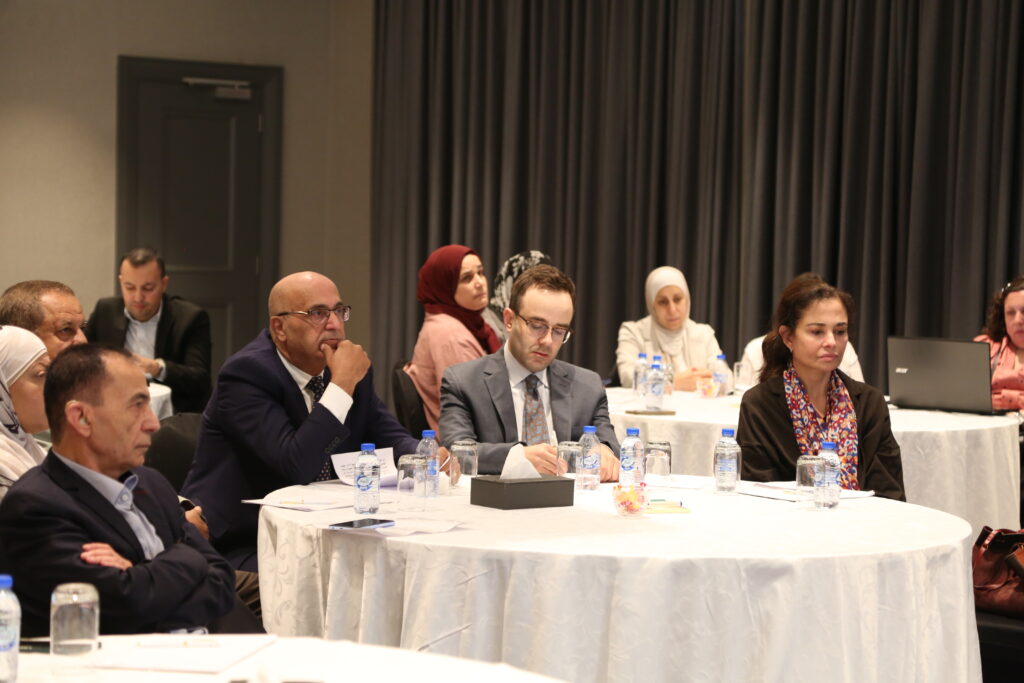
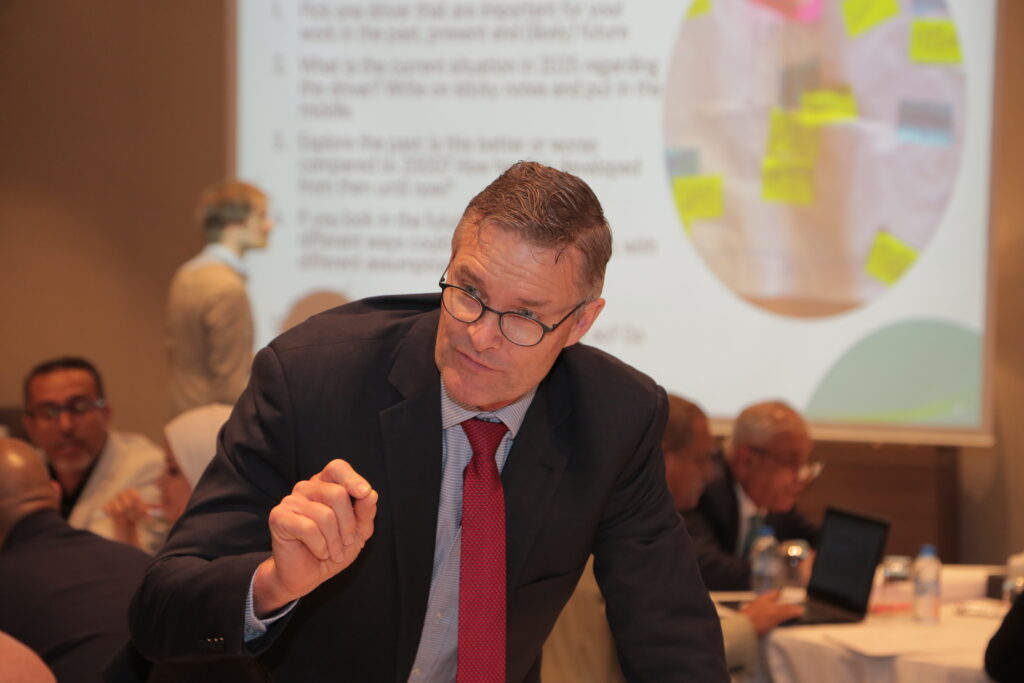
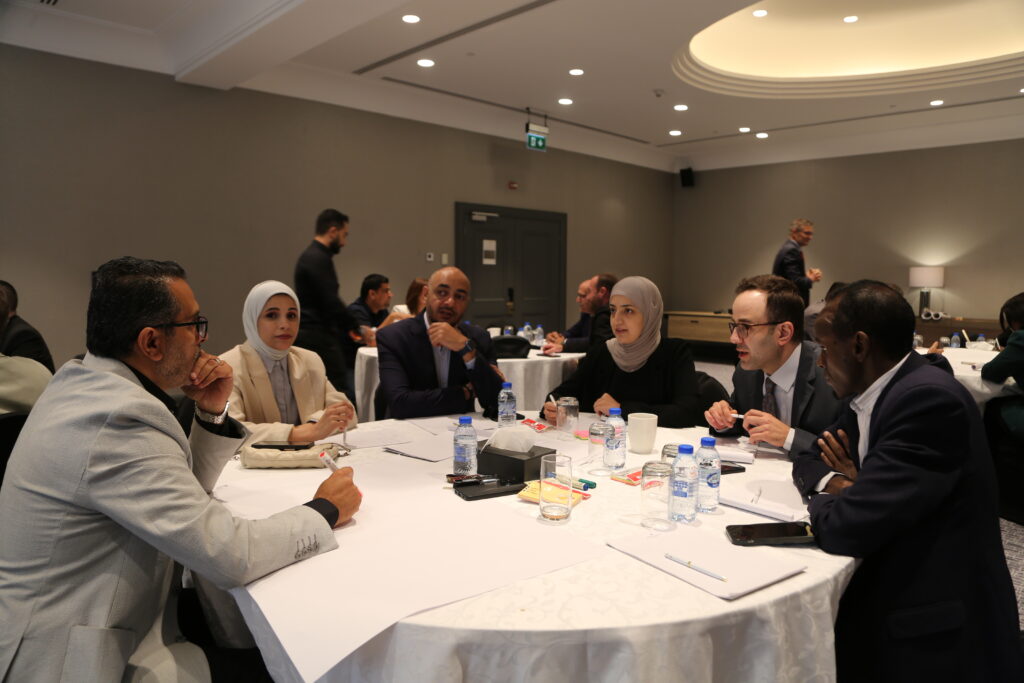
In Amman, 27-29 October 2025, Jordan’s Ministry of Agriculture and Ministry of Planning and International Cooperation hosted an interactive high-level capacity workshop: “Foresight for Systemic Policy-Making”.
Foresight4Food, in collaboration with the National Alliance against Hunger and Malnutrition (NAJMAH) and the Arab Organisation for Agricultural Development (AOAD), facilitated the workshop based on experience supporting Jordan’s food systems transformation process. Over the past three years, the FoSTr Programme, supported by the Government of the Kingdom of the Netherlands through IFAD, in collaboration with the Higher Food Security Council (HFSC) in Jordan, has been working to develop foresight and scenario-building capacities as part of the country’s food system transformation process.
Engagement from the Government
Representatives from more than ten ministries came together – from Education and Finance to Energy, Water, Industry, Transport, Crisis Management and beyond — to explore how foresight and scenario thinking can be used to improve policy making in turbulent and uncertain times. In collaboration with the Arab Network for Agricultural Development, the event also welcomed representatives from Tunisia, Sudan, Lebanon, Somalia, and Yemen – adding valuable regional insights.
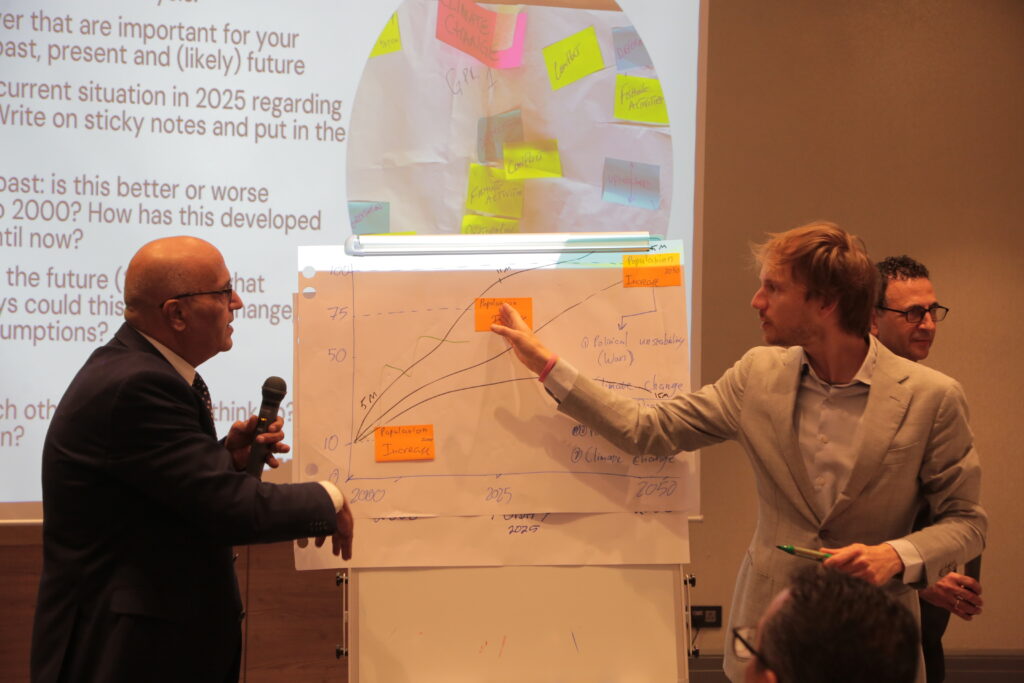
The success of the foresight work on food systems sparked interest from other ministries and led to this workshop on how foresight could support integrated policy making across government. Participants explored the future of employment, energy, water, and migration, recognising how these challenges intertwine. Insights emerging included the realisation that, to navigate the future, such collaboration across government is not just helpful — it’s essential. The representatives from other countries enriched the discussions with their experiences and brought a regional perspective while taking home valuable lessons from Jordan.


Participant Recommendations
Participants concluded the workshop by offering 11 recommendations to the Higher Council for Food Security and the Ministry of Planning. These recommendations included, among others, the following key messages:
- It is recommended that ministries and other public institutions integrate foresight and anticipatory approaches into their planning, policy formulation, and decision-support processes.
- National planning authorities or their equivalents should take the lead in identifying and harmonizing common drivers, assumptions and trends.
- The participants recommended organizing a Training of Trainers (ToT) workshop for participants from Jordan and other Arab countries.
- The participants called for the establishment of a national Jordan foresight network, enabling more national capacity building, coordination and regional collaboration.