The Foresight4Food FoSTr programme has been working in Jordan to strengthen national capacity for food systems foresight and transformation. Through a participatory approach, the initiative brings together policymakers, researchers, and local stakeholders to explore future pathways for a more resilient and sustainable food system.
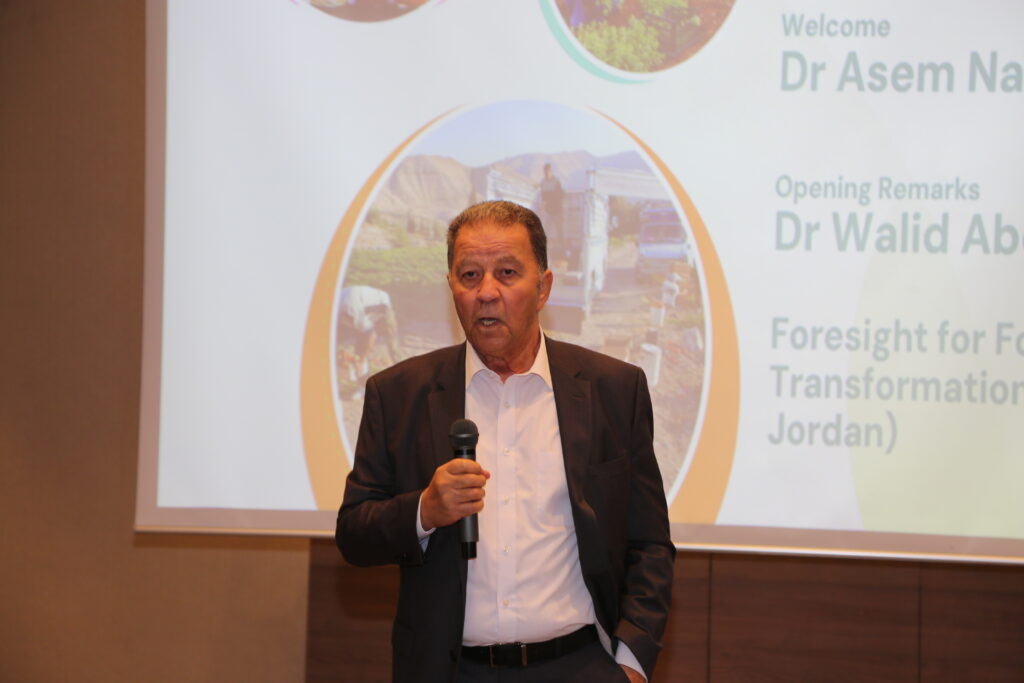
This blog shares insights and reflections from Walid Abed Rabboh, Facilitator FoSTr Jordan, on the lessons learned, challenges faced, and opportunities ahead.
Read Also: FoSTr Jordan Final Country Report
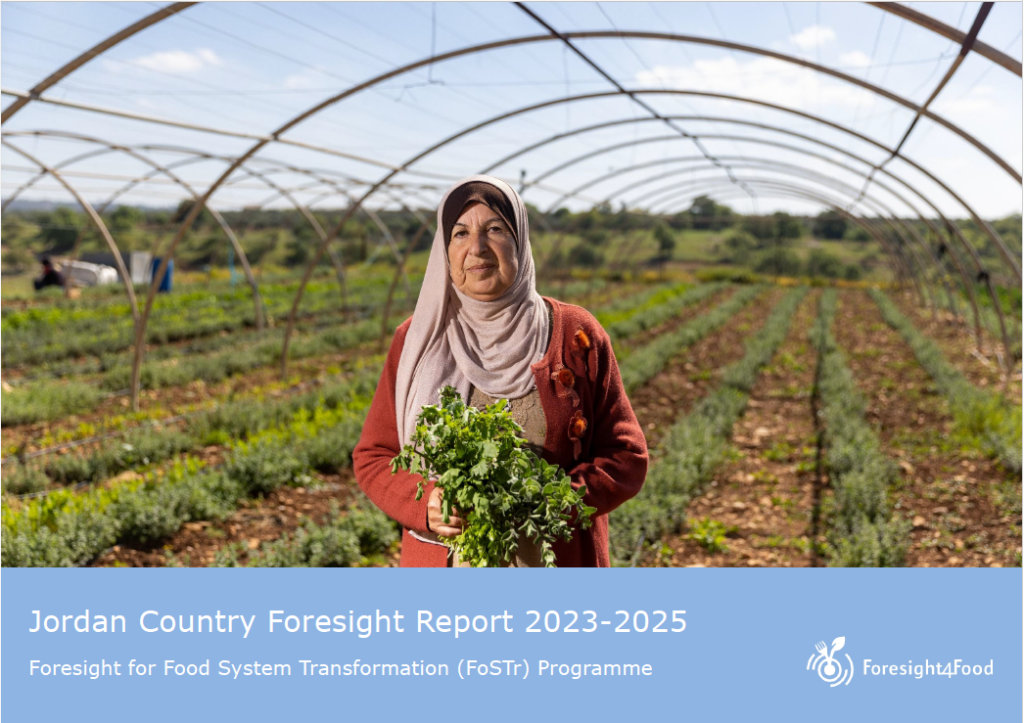
Take a look at the Foresight4Food FoSTr Jordan Final Country Report to learn about the work and findings emerging from the experience in Jordan.
The report outlines Jordan’s comprehensive journey through the Foresight for Food System Transformation (FoSTr) programme, which aims to support national efforts to build a more resilient, equitable, and sustainable food system.
Exploring the Future of Food Systems in Jordan: Lessons from the Foresight4Food Journey
Foresight isn’t just about predicting the future, it’s about shaping it. Through the Foresight4Food FoSTr programme, Jordan embarked on a journey to envision and prepare for the future of its food systems. As part of this process, facilitators, researchers, and policymakers came together to map possibilities, explore scenarios, and imagine pathways toward more resilient and sustainable food systems.
Exploring Scenarios: A Turning Point in the Process
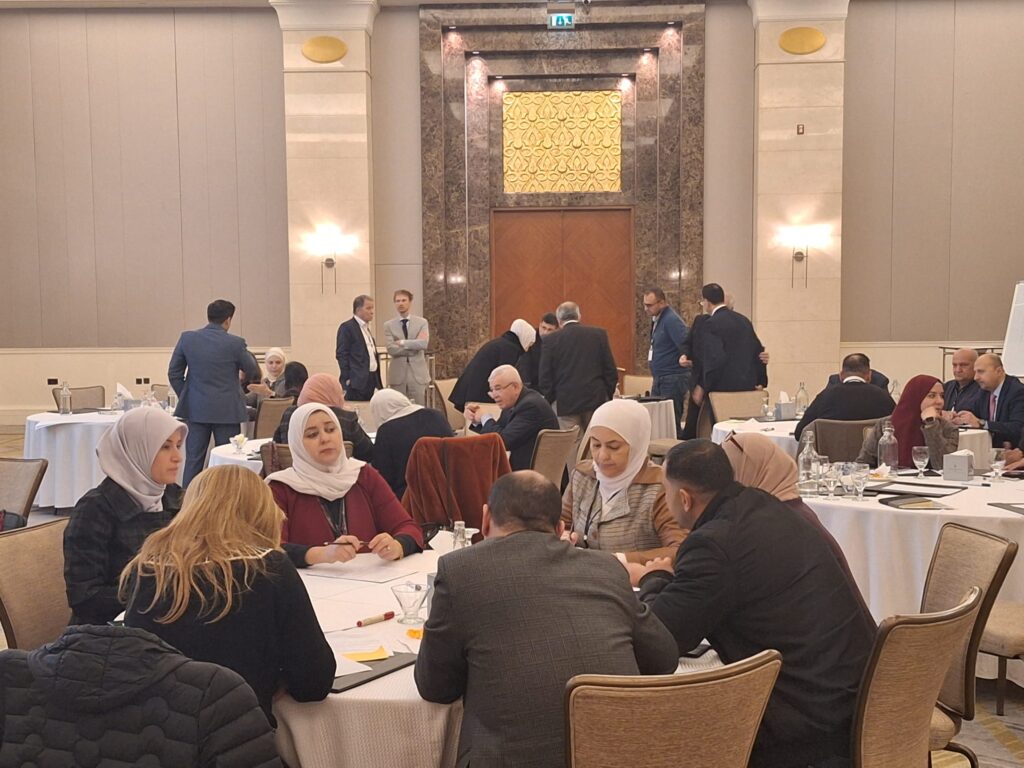
Among all the stages: scoping, mapping, exploring scenarios, and mobilising for change, the scenario exploration phase stood out to me as the most transformative. It was during this stage that data, modelling, and dialogue converged. By bringing evidence to the table and encouraging open conversations, participants were able to co-create shared visions for Jordan’s food future.
This process helped stakeholders navigate trade-offs, identify opportunities, and build consensus around priorities for action. In many ways, it turned abstract challenges into tangible insights and collective understanding, making it both analytical and collaborative.
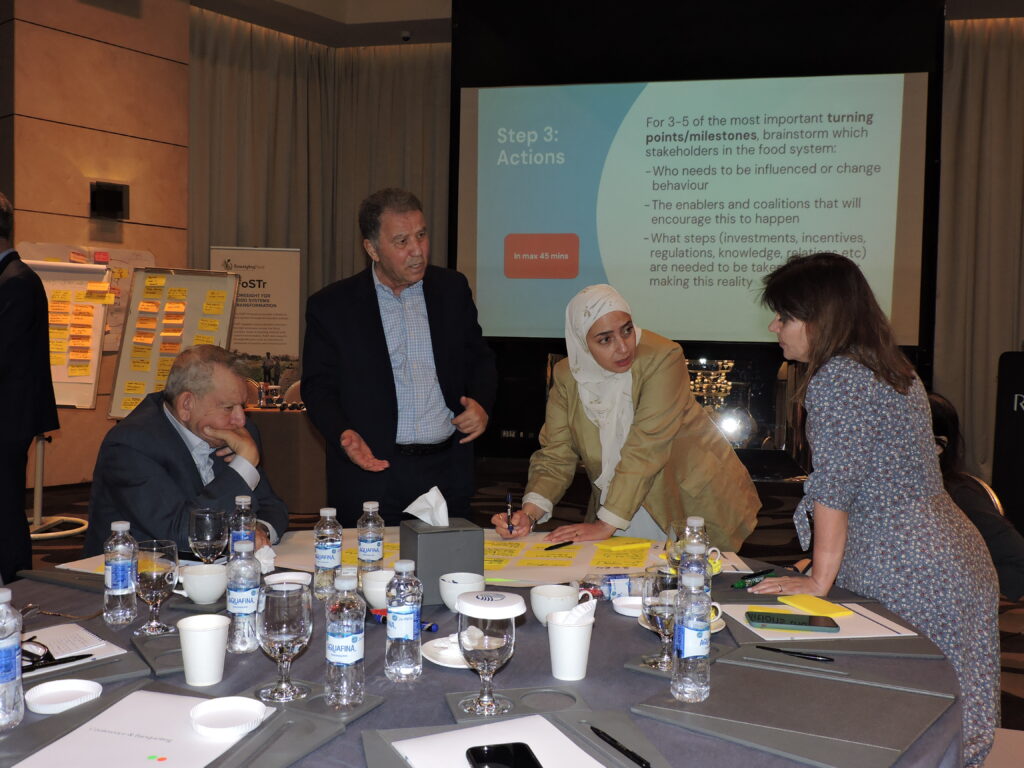
Engaging Stakeholders: Commitment and Collaboration
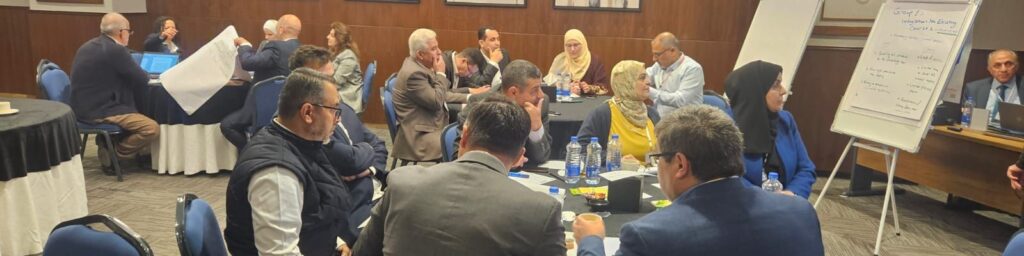
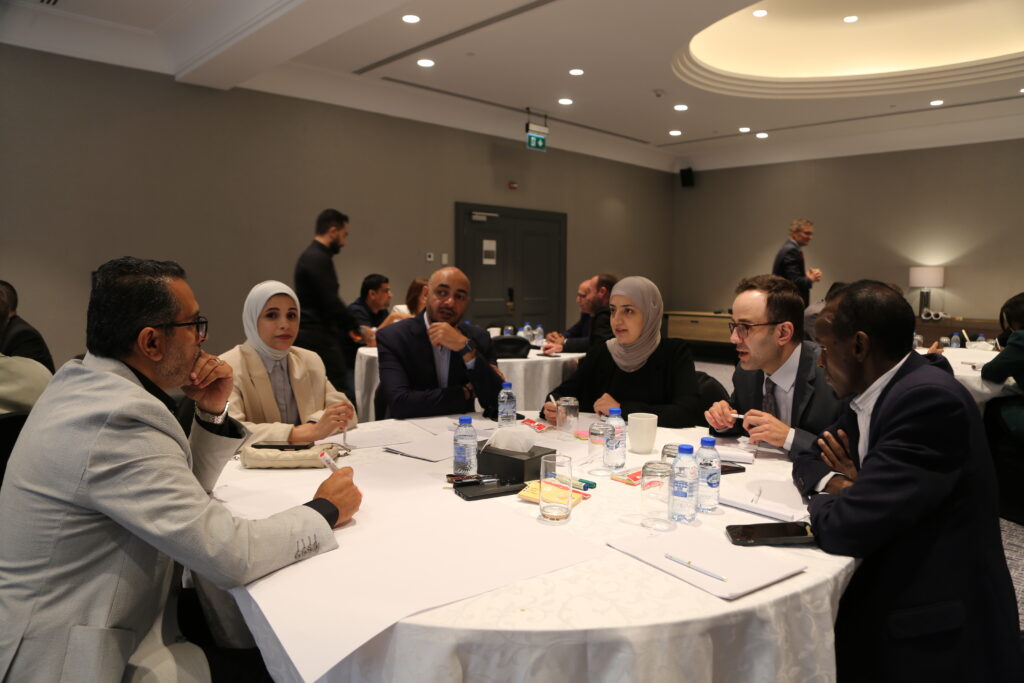
From the outset, Jordan’s foresight journey was characterised by strong stakeholder engagement. Ministries, researchers, farmers, and private sector actors all played active roles.
While managing different levels of experience and expectations proved challenging, the outcome was gratifying. The Government of Jordan, in particular, showed remarkable ownership and commitment. Their decision to involve senior officials and even extend the conversation to regional partners demonstrated a powerful belief in the value of foresight for shaping national and regional food agendas.
Foresight as a Mindset for Change
One of the most meaningful insights gained from this experience is that foresight is more than a set of tools—it’s a mindset. It encourages forward thinking, long-term planning, and proactive decision-making in the face of uncertainty.
The biggest challenge, however, lies in sustaining the momentum. Ensuring that foresight becomes a regular part of planning and policymaking in Jordan requires continued effort, institutional support, and capacity-building. But the foundations are now in place for this cultural shift to take root.
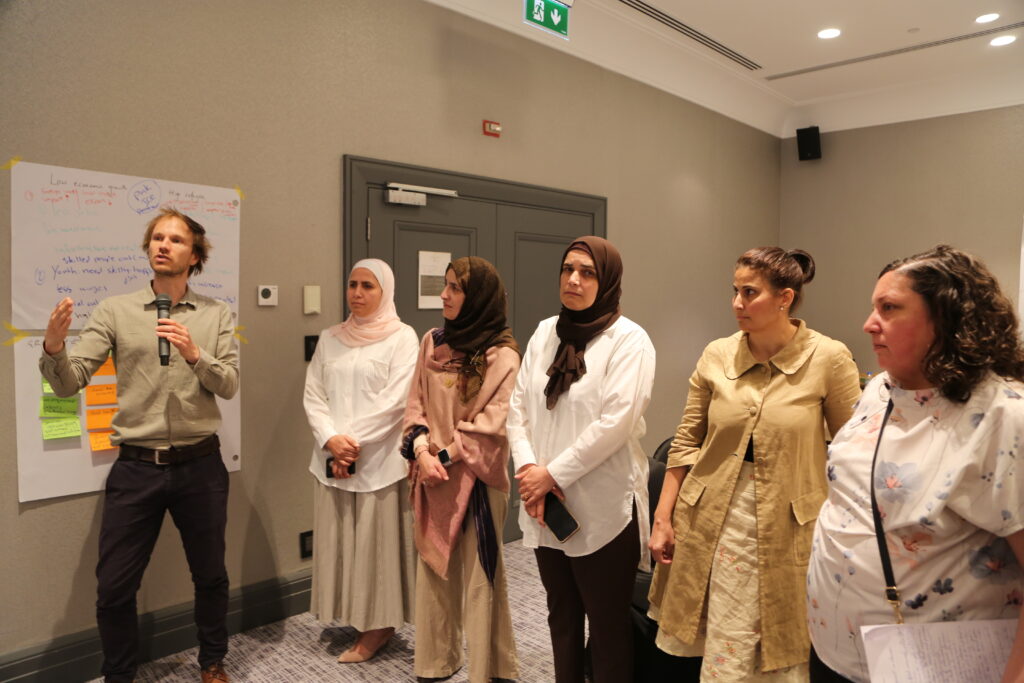
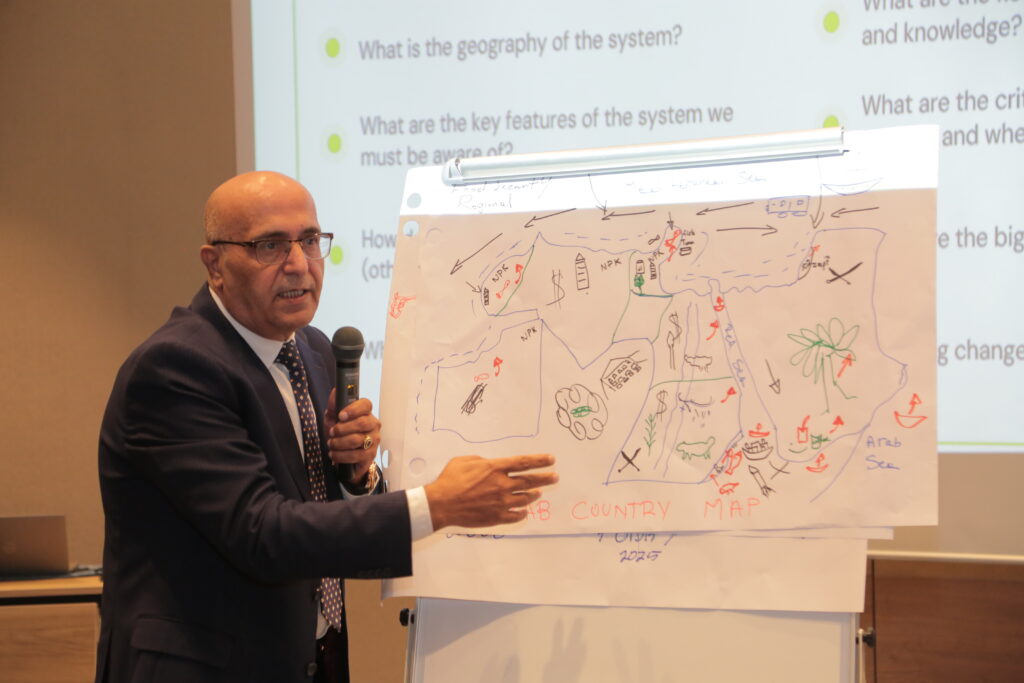
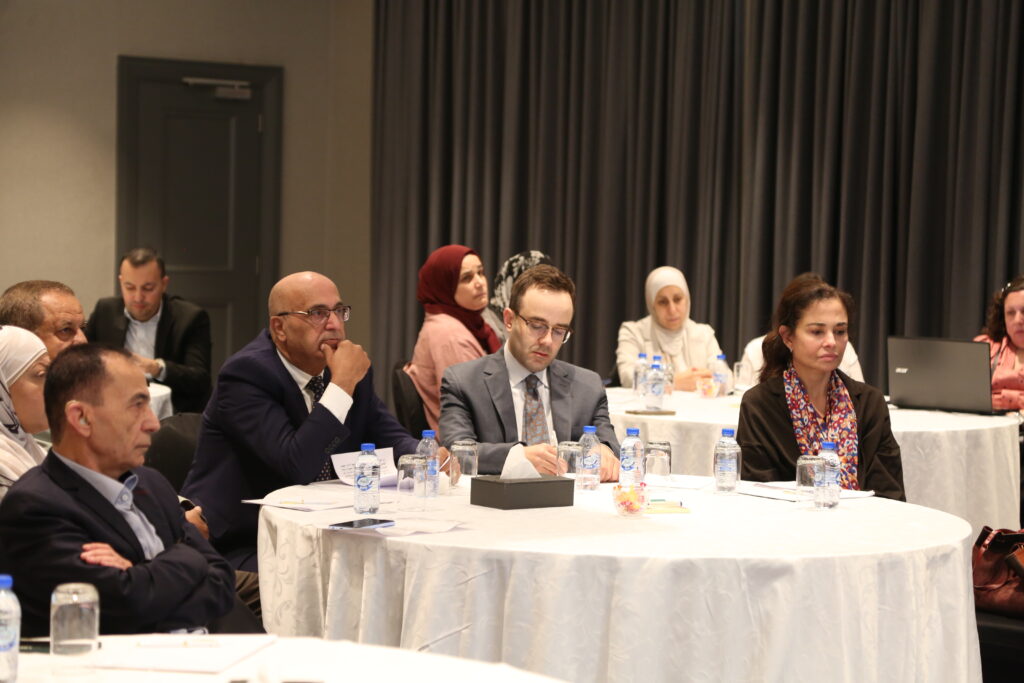
The Power of Multidisciplinary Collaboration
Working alongside researchers, facilitators, and policymakers was both inspiring and enlightening. The diversity of perspectives revealed the true complexity of transforming food systems. It also highlighted the importance of developing Jordan-specific foresight guidelines, building a national database of trends, and training local facilitators to maintain and expand this work.
Looking Ahead: A Future-Ready Food System
Foresight and futures thinking will continue to play a central role in shaping Jordan’s food systems in the years ahead. They provide the vision and structure needed to coordinate across sectors and build resilience in an uncertain world.
In practical terms, foresight can help Jordan by:
- Strengthening institutional and individual capacities
- Improving access to data and trend analysis
- Turning opportunities into action and reducing risks
- Supporting evidence-based policymaking
- Enhancing preparedness and resilience
- Promoting regional cooperation
Ultimately, foresight offers more than a strategy, it offers hope. It empowers Jordan to anticipate change, adapt wisely, and co-create a food system that is not only resilient but future-ready.
The Foresight for Food System Transformation (FoSTr) programme, led by Foresight4Food, is now two years into its journey of helping shape more sustainable, inclusive, and resilient food systems. With increasing uncertainties affecting global food systems—from climate change to economic challenges—the need for foresight and scenario analysis has never been more critical.

Running from 2022 to 2025, the programme is funded by the Dutch Ministry of Foreign Affairs through an IFAD grant. Based on the approach of the Foresight Framework, the programme focuses on supporting four key countries: Bangladesh, Jordan, Kenya, and Uganda.
Since its commencement, we have seen tremendous strides in advancing the key objectives of the FoSTr programme across multiple fronts. This blog highlights the progress and impact of the FoSTr programme and the exciting path ahead.
In-Country Impact: Strengthening Foresight Processes
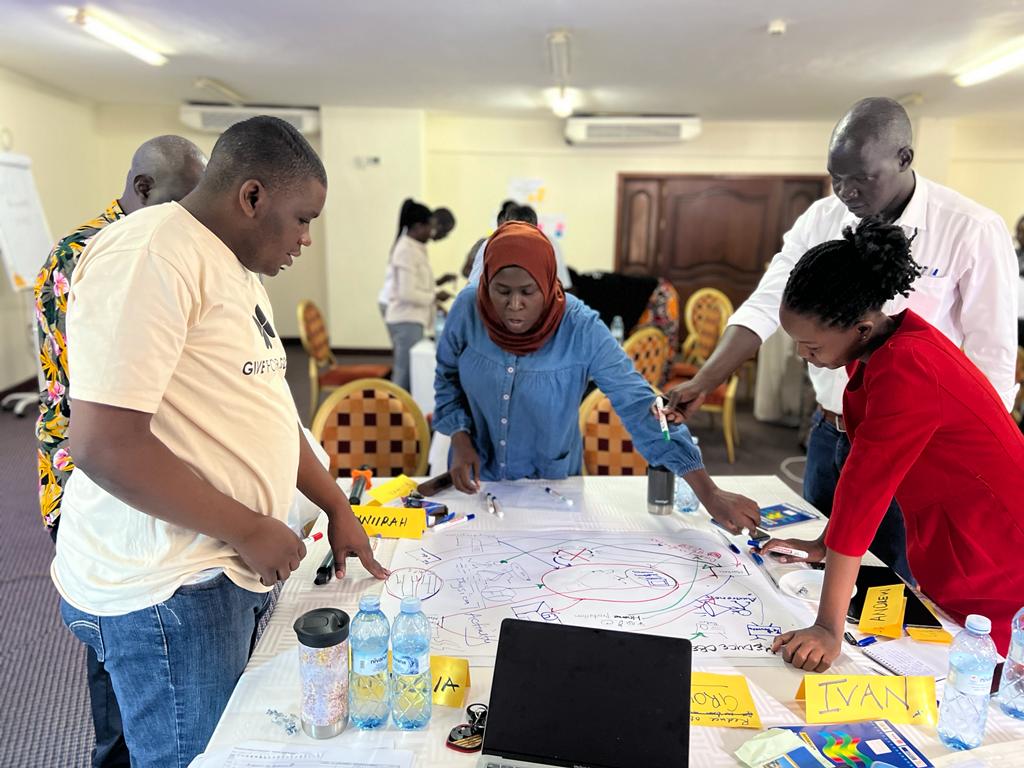
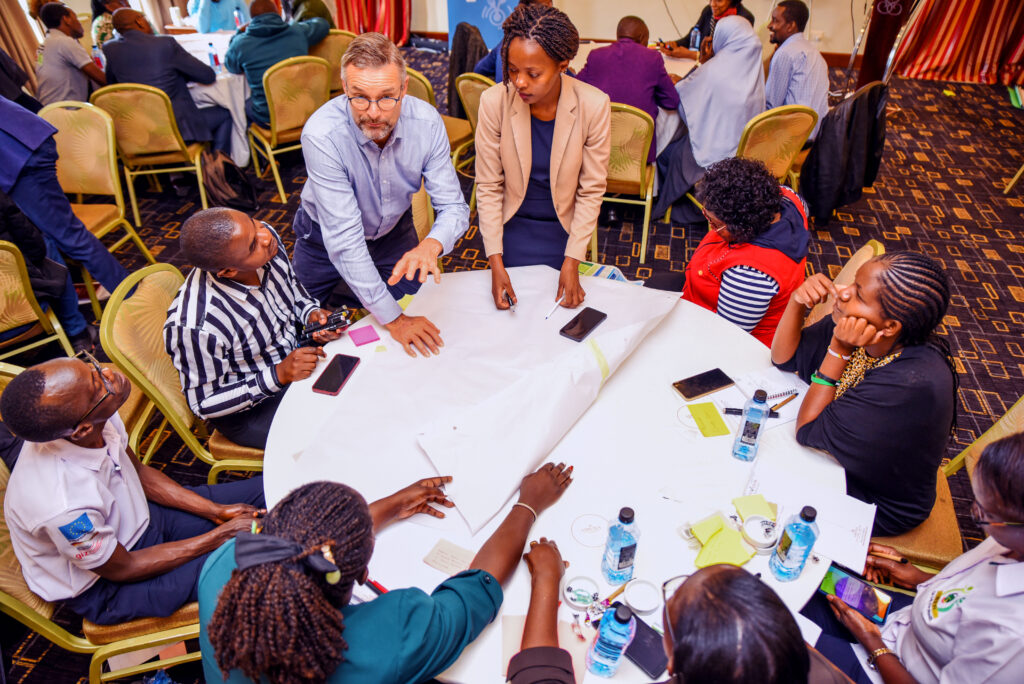
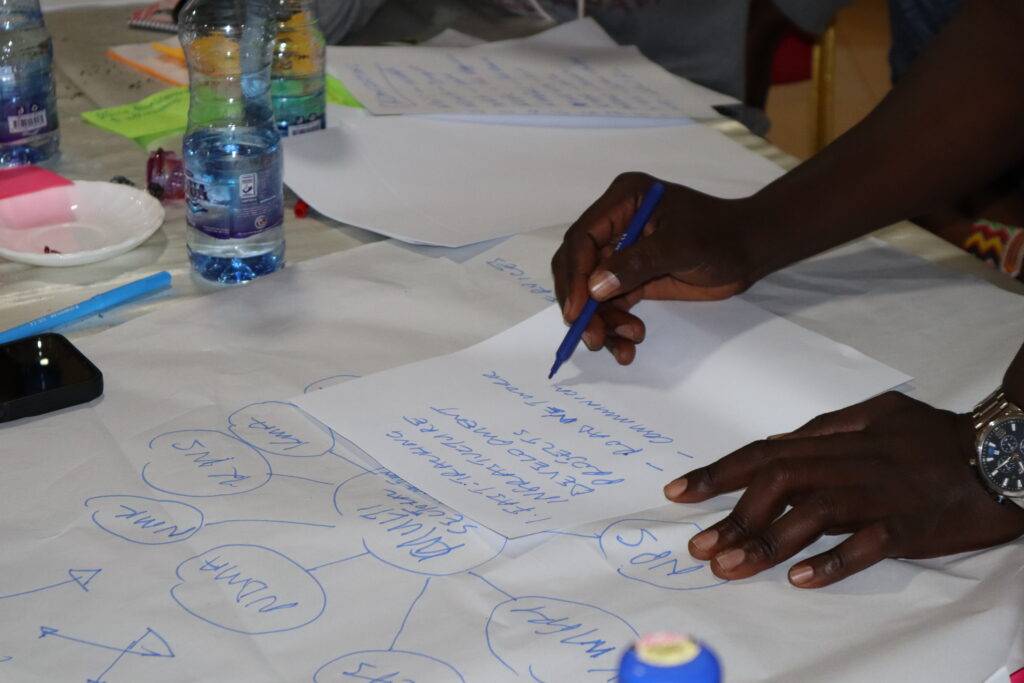
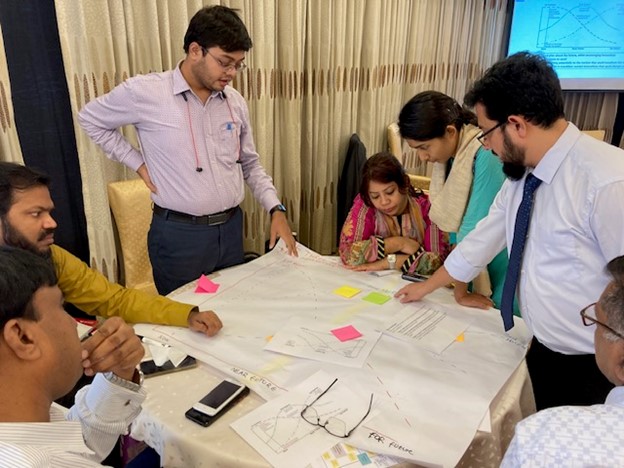
In each of the focus countries, national foresight processes gained momentum, engaging a wide range of stakeholders, including government bodies, research institutions, and community representatives. In total, 403 individual stakeholders participated in in-country workshops across the four countries, contributing to meaningful conversations about the future of food systems.
Here is a quick overview of FoSTr programme’s progress in each of the focus countries:
Bangladesh – Strong government buy-in has been established, with collaboration from the Ministry of Food and other key players, all contributing to the national food system transformation agenda.
Jordan – Partnerships with the Ministry of Agriculture and other government entities have positioned FoSTr as a key advisor, particularly in driving forward the work of the newly established Food Security Council.
Kenya – Foresight analysis has been particularly active at both the national and county levels, with significant involvement from the Nakuru and Marsabit County governments.
Uganda – FoSTr is closely aligned with the Uganda Planning Authority, helping develop foresight tools for future food system planning.

Global Collaboration: Building a Brokering Hub
On a global scale, FoSTr expanded its network of foresight and food systems practitioners, deepening collaboration across organizations like the Forum for Agricultural Research in Africa (FARA), the Global Alliance for Improved Nutrition (GAIN) in Bangladesh, and a number of renowned research institutes in the focus countries.
The work of FoSTr programme was very well-received at the 4th Global Foresight4Food Workshop in Dhaka, where more than 120 foresight practitioners from Asia, Africa, and Europe gathered to share insights on foresight methodologies and food system challenges.
Read also:
Using Foresight to Re-imagine the Future of Food Systems: Foresight4Food holds its 4th Global Meeting – by Jim Woodhill
In a highly interactive week, participants engaged in a masterclass on foresight approaches, shared their experiences and lessons, heard from thought-leaders on food systems and foresight, and identified ways of strengthening foresight practice in their own countries and regions…
A Start to the Foresight Process: Food Systems Maps
As a part of the foresight process, there is a need to have a collective understanding of the food system in different contexts. Hence, the Foresight4Food FoSTr team in collaboration with our facilitators and research partners in each focus country, created comprehensive food systems reports mapping the dynamics, trends, drivers, and activities within the food system.
These Food System Maps offer an initial snapshot of the current food system status in the focus countries and are intended to inform a more comprehensive foresight process. As the dynamics, trends, drivers, and activities within the food system continually change, these reports welcome ongoing reflection and discussion.
Knowledge Base
FoSTr also played a vital part in strengthening the Foresight4Food Resource Portal, which provides access to Foresight Studies, key data around Food System Drivers and Outcomes, a database of Foresight Initiatives, and other academic literature that helps food systems practitioners develop better Foresight Models.
The Foresight4Food Resource Portal is regularly updated with the latest research and emerging studies as well as products and resources that come out of different programme activities.
Read also:
The Complexity of Global Drivers of Food System Transformation – by Bhawana Gupta
The global food system needs to be transformed. It needs to deliver better health and improved livelihoods while protecting the environment and minimizing negative social impacts. However, there are many interconnected factors playing a role. Food Systems are complex…
Overcoming Challenges
Like any ambitious programme, FoSTr encountered its share of challenges. These included navigating political instability in some focus countries. Meanwhile, navigating the political economy of food systems—especially where entrenched power dynamics and vested interests are at play—required FoSTr to strike a delicate balance between supporting ongoing policy processes and introducing more transformative ideas for change.
The Way Forward
As the Foresight4Food FoSTr programme enters its third and final year, several key objectives will guide the remaining activities:
Brokering Foresight Processes: Continue to build connections with national stakeholders and existing initiatives, ensuring that foresight insights are integrated into policy-making and planning processes.
Capacity Building: Organize intensive face-to-face training workshops to further enhance foresight facilitation skills and broaden participation from underrepresented groups, including the private sector and youth.
Scenario Analysis and Policy Recommendations: Complete the ongoing scenario analyses and translate these into clear policy recommendations that will guide national food system transformation agendas.
Sustaining Momentum Beyond 2025: Establish sustainable communities of practice that can continue to drive foresight activities beyond the programme’s official end.
Conclusion: A Transformative Journey
In an era where global food systems are under immense pressure due to climate change, population growth, and shifting socio-economic landscapes, forward-thinking approaches are critical to ensuring food security and sustainability.
The Foresight4Food FoSTr programme has made significant headway in its mission to advance food system foresight processes in Bangladesh, Jordan, Kenya, and Uganda while building a broader global network of foresight practitioners. As we look ahead to the final year, the focus will be on translating foresight insights into action, empowering national stakeholders, and ensuring that the work of FoSTr continues to have a lasting impact on food systems worldwide.
Bonus: FoSTr Facilitators Insights
As the Foresight4Food FoSTr programme continues to foster systemic change in global food systems, the programme facilitators will be sharing their observations on the work and progress of FoSTr programme in their respective countries through insightful blogs. Watch this space and our social media channels for more updates.