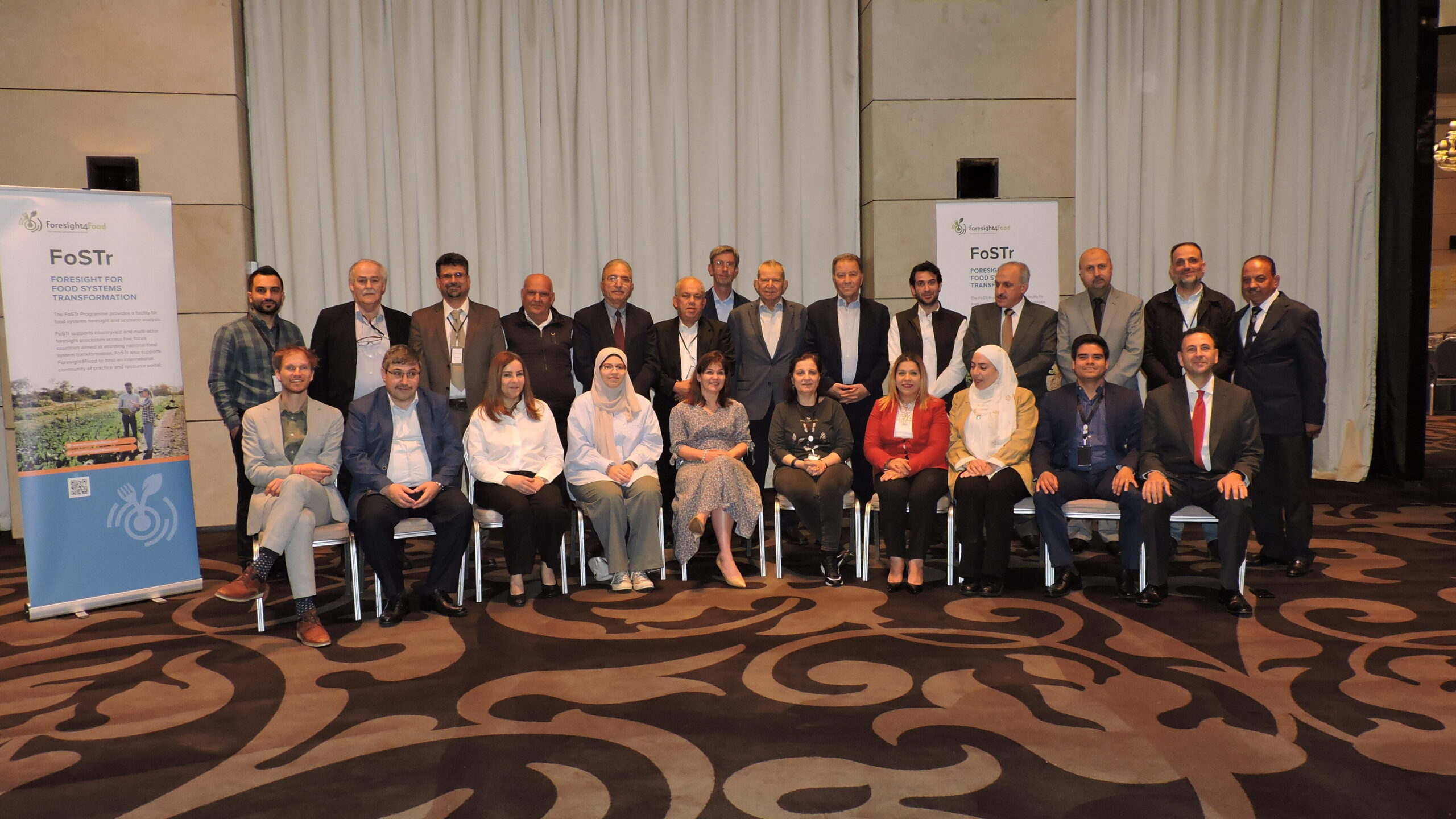
The Foresight4Food FoSTr programme has been working in Jordan to strengthen national capacity for food systems foresight and transformation. Through a participatory approach, the initiative brings together policymakers, researchers, and local stakeholders to explore future pathways for a more resilient and sustainable food system.
This blog shares insights and reflections from Walid Abed Rabboh, Facilitator FoSTr Jordan, on the lessons learned, challenges faced, and opportunities ahead.
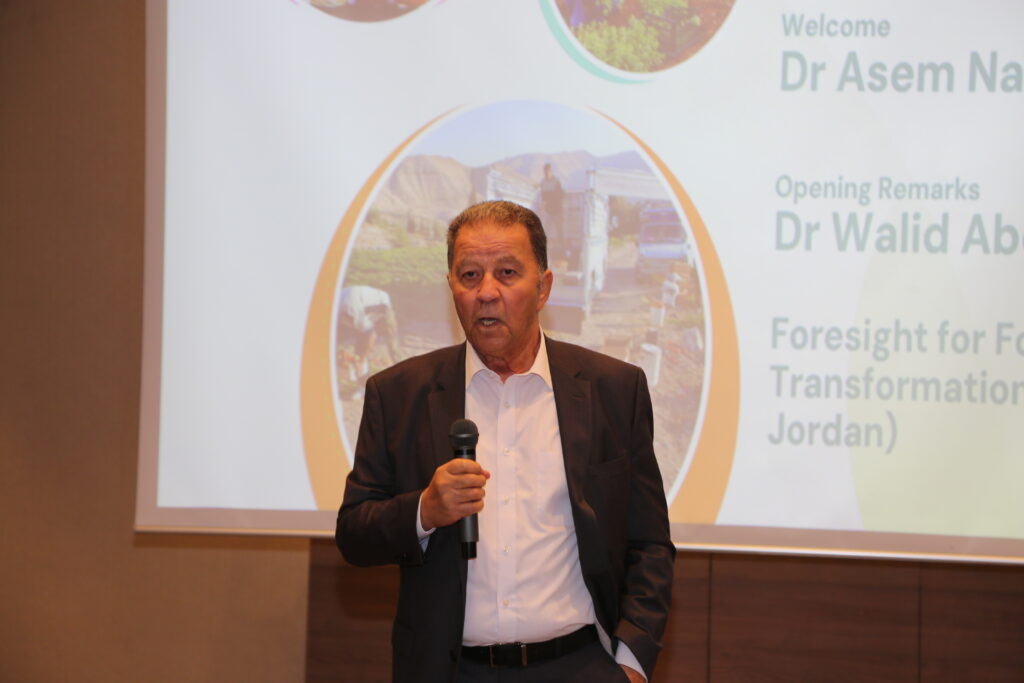
Read Also: FoSTr Jordan Final Country Report
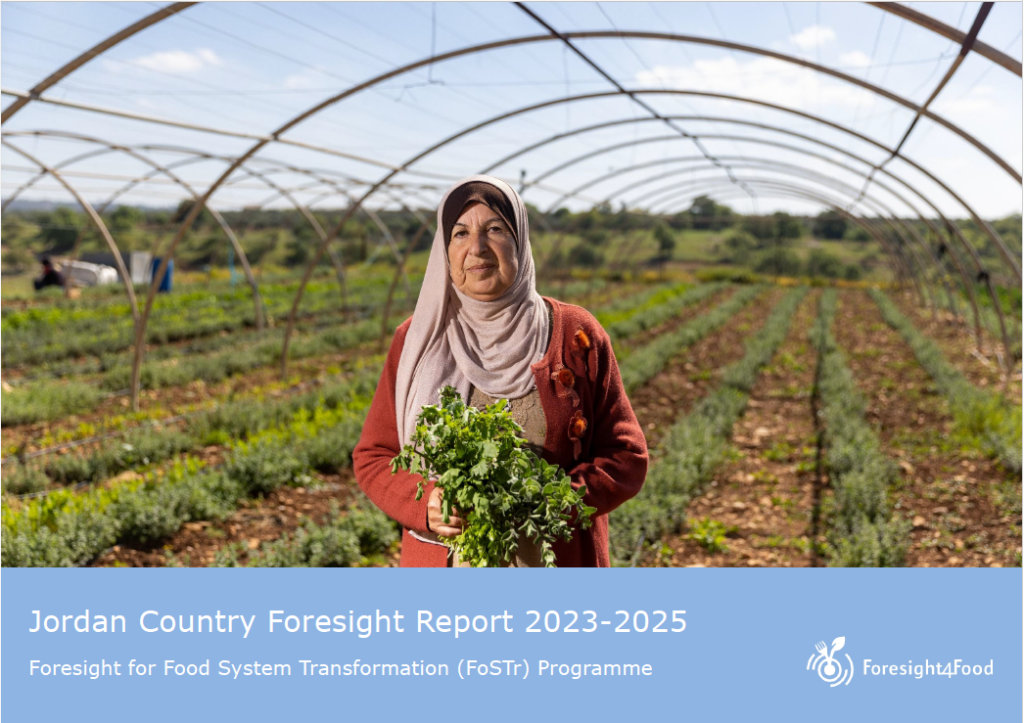
Take a look at the Foresight4Food FoSTr Jordan Final Country Report to learn about the work and findings emerging from the experience in Jordan.
The report outlines Jordan’s comprehensive journey through the Foresight for Food System Transformation (FoSTr) programme, which aims to support national efforts to build a more resilient, equitable, and sustainable food system.
Exploring the Future of Food Systems in Jordan: Lessons from the Foresight4Food Journey
Foresight isn’t just about predicting the future, it’s about shaping it. Through the Foresight4Food FoSTr programme, Jordan embarked on a journey to envision and prepare for the future of its food systems. As part of this process, facilitators, researchers, and policymakers came together to map possibilities, explore scenarios, and imagine pathways toward more resilient and sustainable food systems.
Exploring Scenarios: A Turning Point in the Process
Among all the stages: scoping, mapping, exploring scenarios, and mobilising for change, the scenario exploration phase stood out to me as the most transformative. It was during this stage that data, modelling, and dialogue converged. By bringing evidence to the table and encouraging open conversations, participants were able to co-create shared visions for Jordan’s food future.
This process helped stakeholders navigate trade-offs, identify opportunities, and build consensus around priorities for action. In many ways, it turned abstract challenges into tangible insights and collective understanding, making it both analytical and collaborative.
Engaging Stakeholders: Commitment and Collaboration
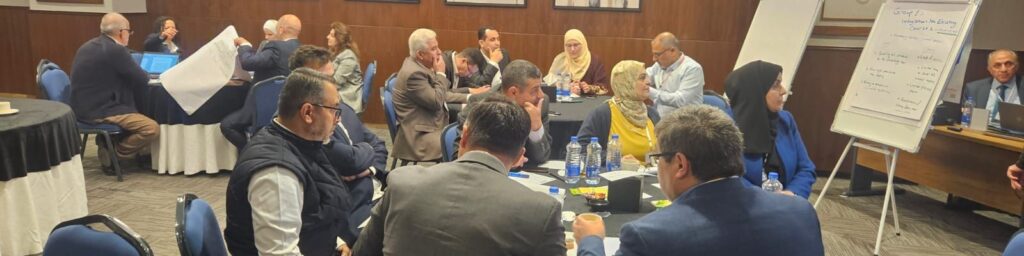
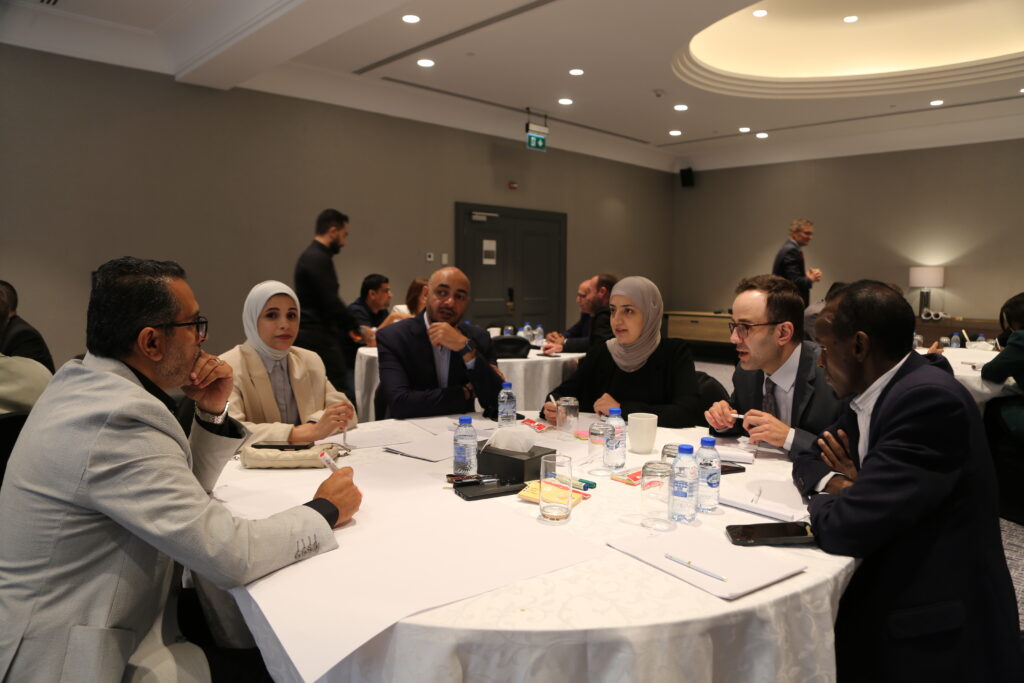
From the outset, Jordan’s foresight journey was characterised by strong stakeholder engagement. Ministries, researchers, farmers, and private sector actors all played active roles.
While managing different levels of experience and expectations proved challenging, the outcome was gratifying. The Government of Jordan, in particular, showed remarkable ownership and commitment. Their decision to involve senior officials and even extend the conversation to regional partners demonstrated a powerful belief in the value of foresight for shaping national and regional food agendas.
Foresight as a Mindset for Change
One of the most meaningful insights gained from this experience is that foresight is more than a set of tools—it’s a mindset. It encourages forward thinking, long-term planning, and proactive decision-making in the face of uncertainty.
The biggest challenge, however, lies in sustaining the momentum. Ensuring that foresight becomes a regular part of planning and policymaking in Jordan requires continued effort, institutional support, and capacity-building. But the foundations are now in place for this cultural shift to take root.
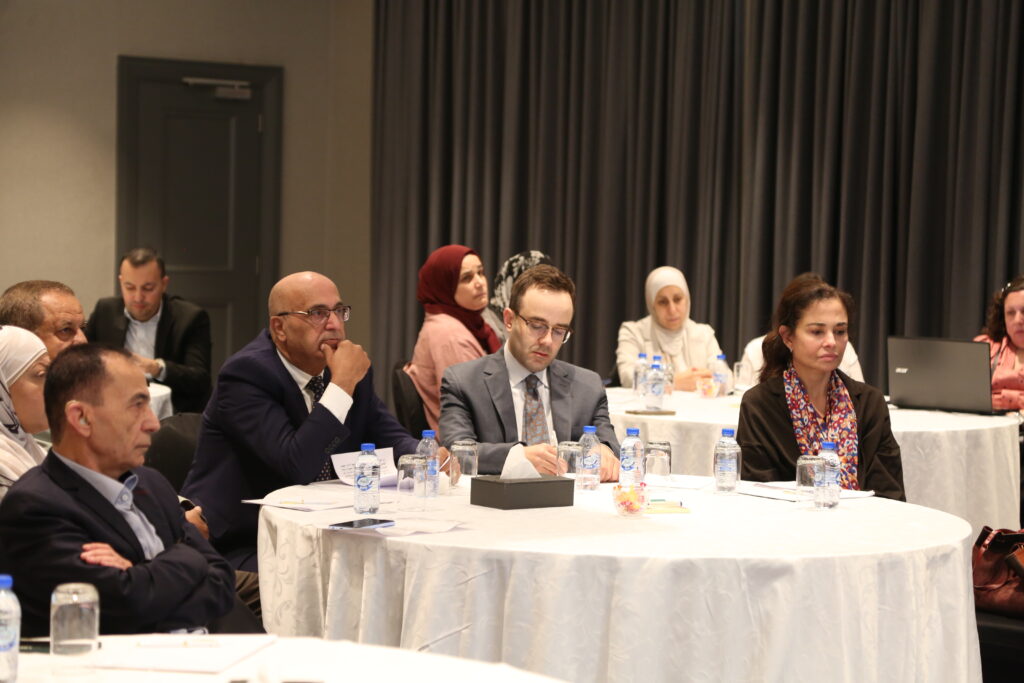
The Power of Multidisciplinary Collaboration
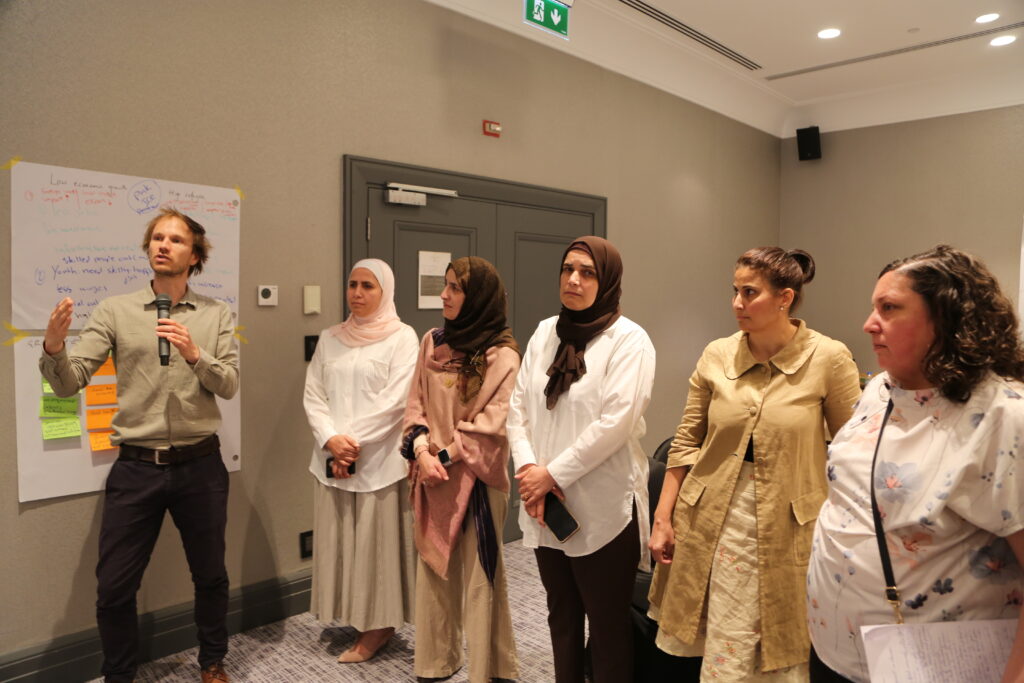
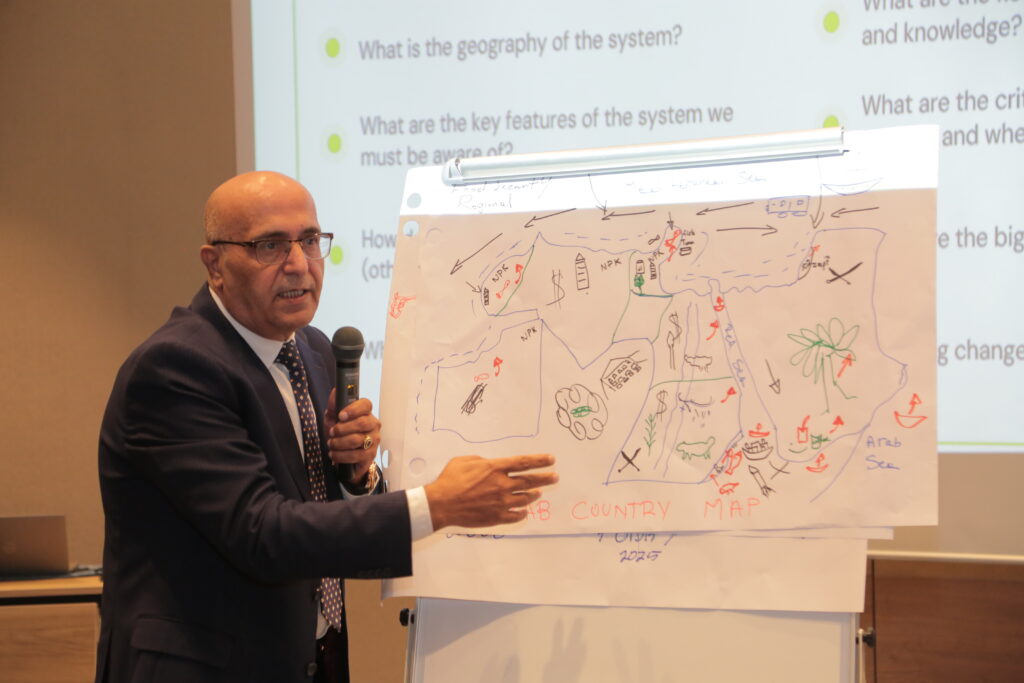
Working alongside researchers, facilitators, and policymakers was both inspiring and enlightening. The diversity of perspectives revealed the true complexity of transforming food systems. It also highlighted the importance of developing Jordan-specific foresight guidelines, building a national database of trends, and training local facilitators to maintain and expand this work.
Looking Ahead: A Future-Ready Food System
Foresight and futures thinking will continue to play a central role in shaping Jordan’s food systems in the years ahead. They provide the vision and structure needed to coordinate across sectors and build resilience in an uncertain world.
In practical terms, foresight can help Jordan by:
- Strengthening institutional and individual capacities
- Improving access to data and trend analysis
- Turning opportunities into action and reducing risks
- Supporting evidence-based policymaking
- Enhancing preparedness and resilience
- Promoting regional cooperation
Ultimately, foresight offers more than a strategy, it offers hope. It empowers Jordan to anticipate change, adapt wisely, and co-create a food system that is not only resilient but future-ready.
By Jim Woodhill – Lead Foresight4Food Initiative
It was great to participate in the next phase of Jordan’s journey toward food systems transformation as part of the Foresight4Food Initiative. This significant step brought together around fifty key stakeholders on November 11 to discuss strategies for accelerating change.
The discussions built on earlier work from the Foresight4Food FoSTr Programme in Jordan, including scenario analyses developed during previous workshops, computer modelling results, and a series of policy briefs. These resources provided a foundation for the day’s explorations into actionable pathways for transforming Jordan’s food systems.
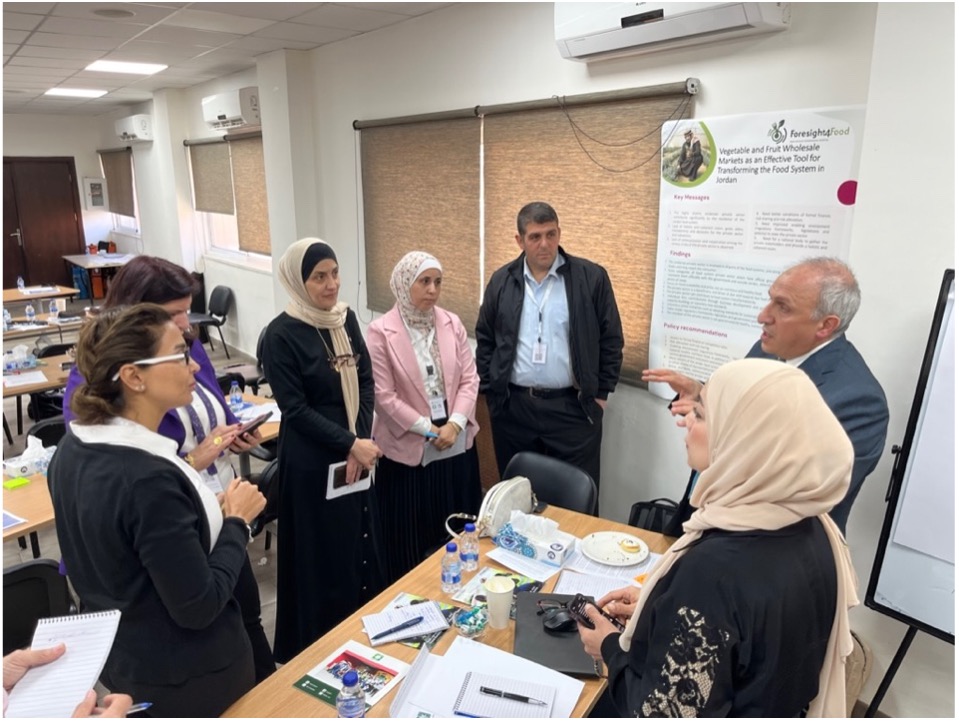
A key highlight of the workshop was the collaborative spirit among diverse stakeholders. This environment fostered consensus-building around critical challenges and opportunities. Participants examined deep-seated barriers to change, focusing on economic and social incentives, the power dynamics of various actors, and entrenched mindsets that hinder progress.
Drawing from detailed policy briefs on topics such as vegetable and fruit markets, food governance, the role of the private sector, and the contributions of civil society, the workshop delved into strategies for enabling meaningful change.
Informed by the policy papers on vegetable and fruit markets, food governance, the role of the private sector and the role of civil society, the workshop looked more deeply into how change can be brought about.
One particularly impactful aspect was the use of computer modelling, conducted with Wageningen University and Research’s MAGNET model. This analysis demonstrated the potential consequences of continuing current practices (“business-as-usual”) versus adopting healthier, more sustainable pathways. Such data-driven insights are instrumental for policymakers, equipping them with evidence to support investments and policy reforms.
Beyond the workshop, conversations with Jordanian universities explored integrating foresight and systems thinking into academic curricula. Additionally, a dedicated training session provided researchers and policymakers with hands-on experience using the MAGNET model to analyze food system changes.
The workshops were made possible with support from the Jordanian Hashemite Fund for Human Development (JOHUD) and the National Alliance Against Hunger and Malnutrition (NAJMAH), underscoring the importance of partnerships in driving food systems transformation.
by Bram Peters
As a part of the FoSTr programme, the Foresight4Food team organized the “Exploring Alternative Futures for Jordan’s Food System” workshop in Amman, Jordan that brought together food systems stakeholders in Amman to discuss the future of Jordan’s food security. Here are some of the observations and insights from the event.
With themes of resilience, adaptation, action, and collaboration, participants engaged in scenario planning and back-casting exercises to anticipate challenges and shape future outcomes. Key uncertainties like water availability, healthy diets, regional trade, and business structures were explored through four scenarios set in 2040. These insights, supported by quantitative modeling, fostered rich discussions about desirable futures and the actions needed today to create a sustainable, resilient food system for Jordan.
During the workshop, colleagues from the University of Jordan and Jordan University of Science and Technology presented four policy briefs. These were: Food Loss and Waste, Water-to-Food Conversion, State of Smallholder Farming in Jordan and Malnutrition. Each policy brief captures the state of knowledge and offers recommendations to explore how to address these issues from a food systems perspective.
The FoSTr team introduced four critical uncertainties that will be highly important and uncertain to the long-term future of the Jordan food system:
- The extent of fresh water available to agriculture
- The extent to which healthy diets are adopted
- Level of ease of regional trade
- The type of business structure the food system will have
Each of these uncertainties was combined to offer four scenarios, taking place in 2040, up for discussion with the participants. Supported by insights from quantitative simulation modelling, the implications on food systems outcomes were explored in each scenario. Some scenarios described that the people of Jordan adopt healthy diets despite a challenging regional trade situation. In others, severe limitations on fresh water for agriculture were seen in combination with a highly corporate-led food system.
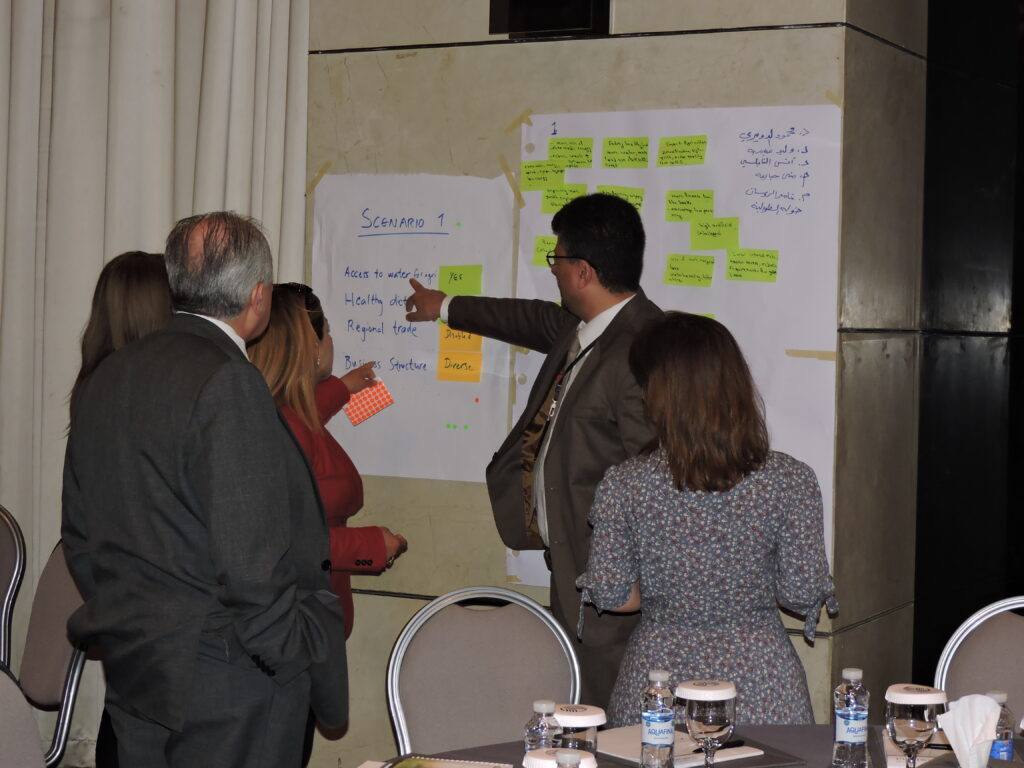
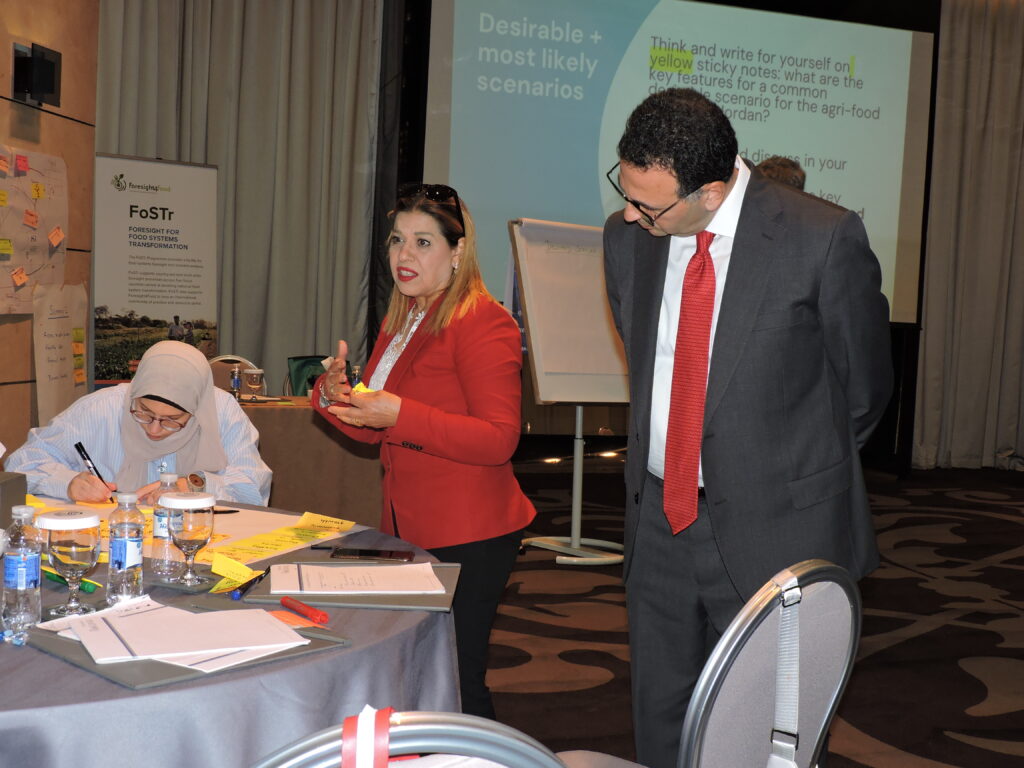
Additionally, the participants explored how that situation might look in each. These scenarios served to open up minds towards the possibility of different situations emerging in the future and highlight the need for anticipatory action and systemic change.
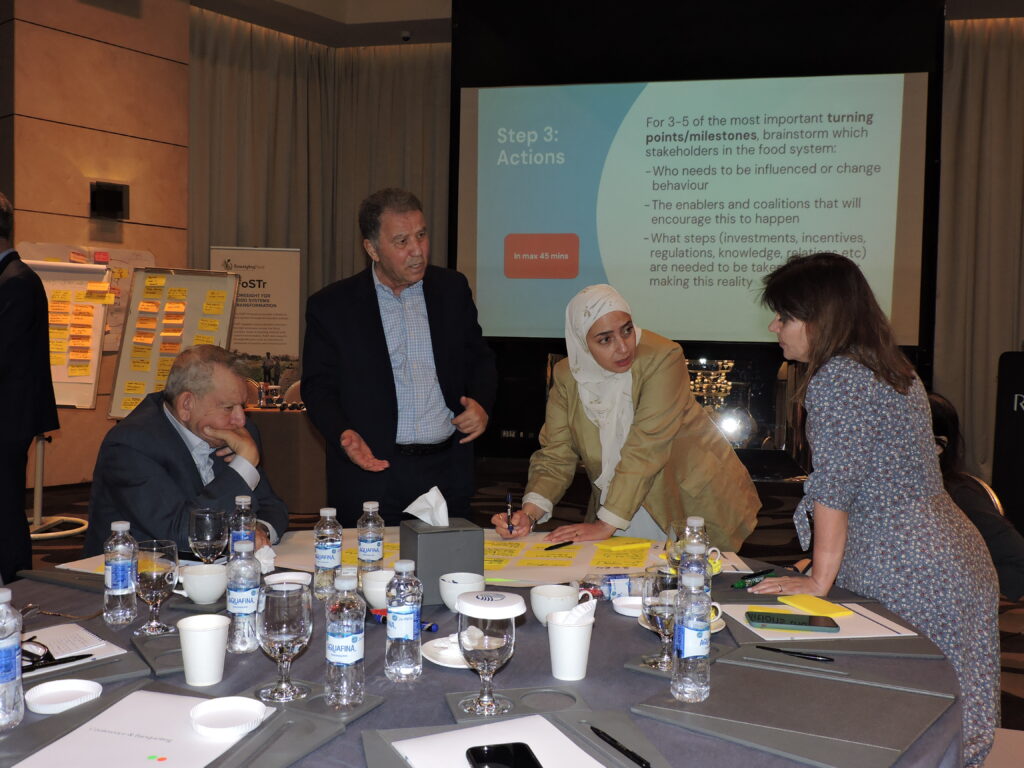
The scenarios led to a discussion of what might be the ‘most likely‘ and ‘most desirable’ scenarios for the Jordan food systems stakeholders. The outline of a desirable future, informed by trends and uncertainties, was formulated to serve as a guiding star. A back-casting approach was used to then explore what events and turning points might occur between 2040 and now to realise that desired future. Based on this timeline, stakeholders brainstormed a range of different actions and stakeholders which are needed now, to already start pushing the system towards the Desired Future.
Building on the encouraging shared co-ownership of the results of the workshop, the Foresight4Food FoSTr team will continue efforts to develop policy briefs, deepen the action areas that were developed, and support the Food Security Council of Jordan in proving the underpinnings for the ongoing work on national food systems transformation.