The Foresight4Food FoSTr programme has been working in Jordan to strengthen national capacity for food systems foresight and transformation. Through a participatory approach, the initiative brings together policymakers, researchers, and local stakeholders to explore future pathways for a more resilient and sustainable food system.
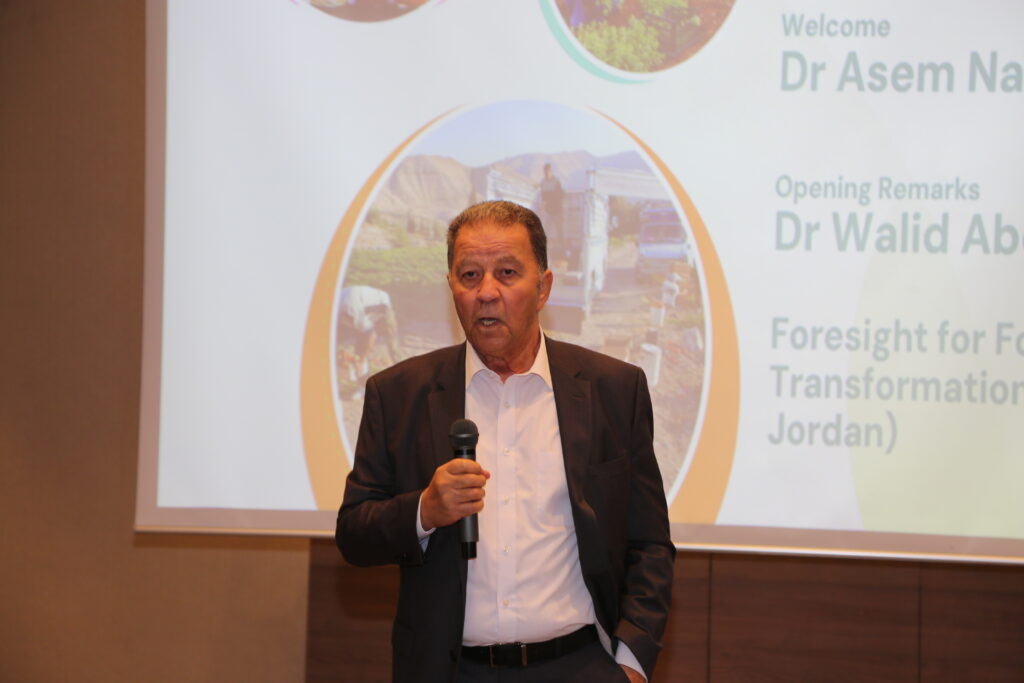
This blog shares insights and reflections from Walid Abed Rabboh, Facilitator FoSTr Jordan, on the lessons learned, challenges faced, and opportunities ahead.
Read Also: FoSTr Jordan Final Country Report
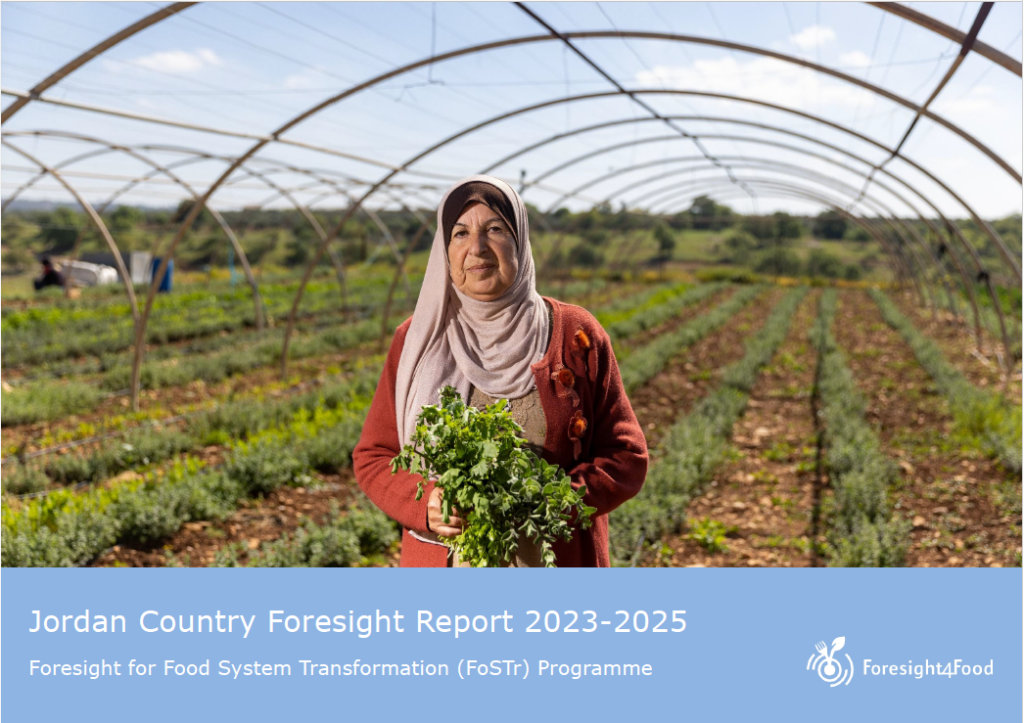
Take a look at the Foresight4Food FoSTr Jordan Final Country Report to learn about the work and findings emerging from the experience in Jordan.
The report outlines Jordan’s comprehensive journey through the Foresight for Food System Transformation (FoSTr) programme, which aims to support national efforts to build a more resilient, equitable, and sustainable food system.
Exploring the Future of Food Systems in Jordan: Lessons from the Foresight4Food Journey
Foresight isn’t just about predicting the future, it’s about shaping it. Through the Foresight4Food FoSTr programme, Jordan embarked on a journey to envision and prepare for the future of its food systems. As part of this process, facilitators, researchers, and policymakers came together to map possibilities, explore scenarios, and imagine pathways toward more resilient and sustainable food systems.
Exploring Scenarios: A Turning Point in the Process
Among all the stages: scoping, mapping, exploring scenarios, and mobilising for change, the scenario exploration phase stood out to me as the most transformative. It was during this stage that data, modelling, and dialogue converged. By bringing evidence to the table and encouraging open conversations, participants were able to co-create shared visions for Jordan’s food future.
This process helped stakeholders navigate trade-offs, identify opportunities, and build consensus around priorities for action. In many ways, it turned abstract challenges into tangible insights and collective understanding, making it both analytical and collaborative.
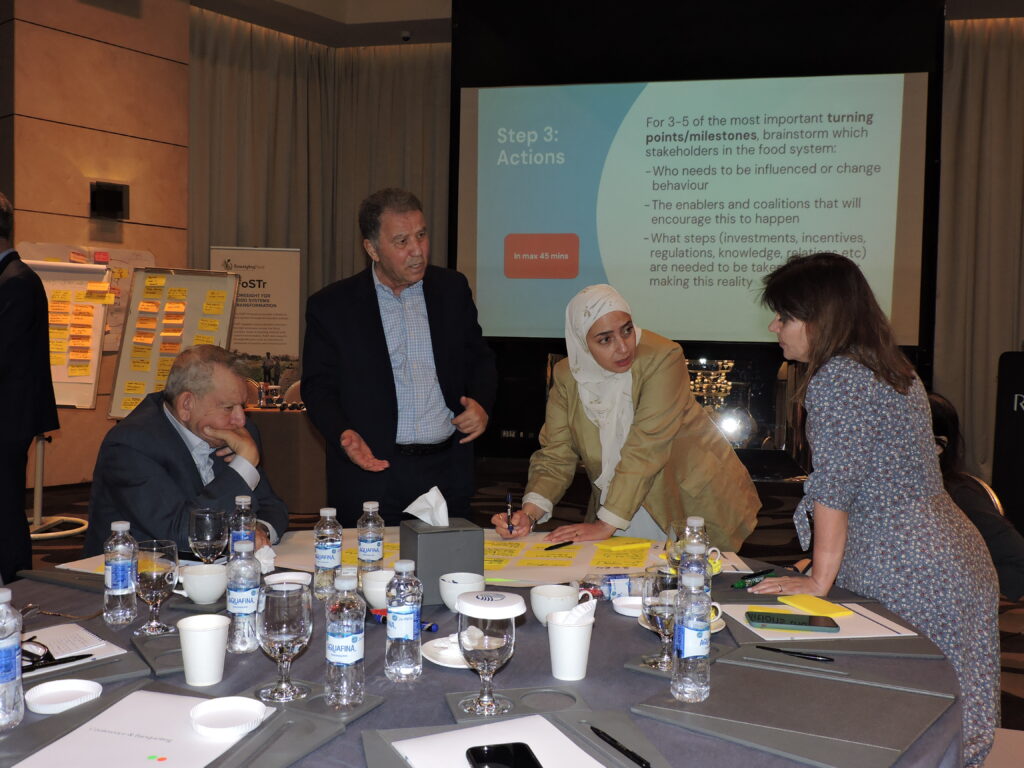
Engaging Stakeholders: Commitment and Collaboration
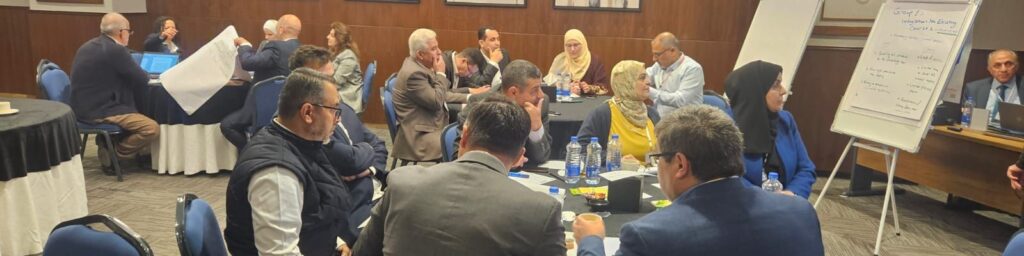
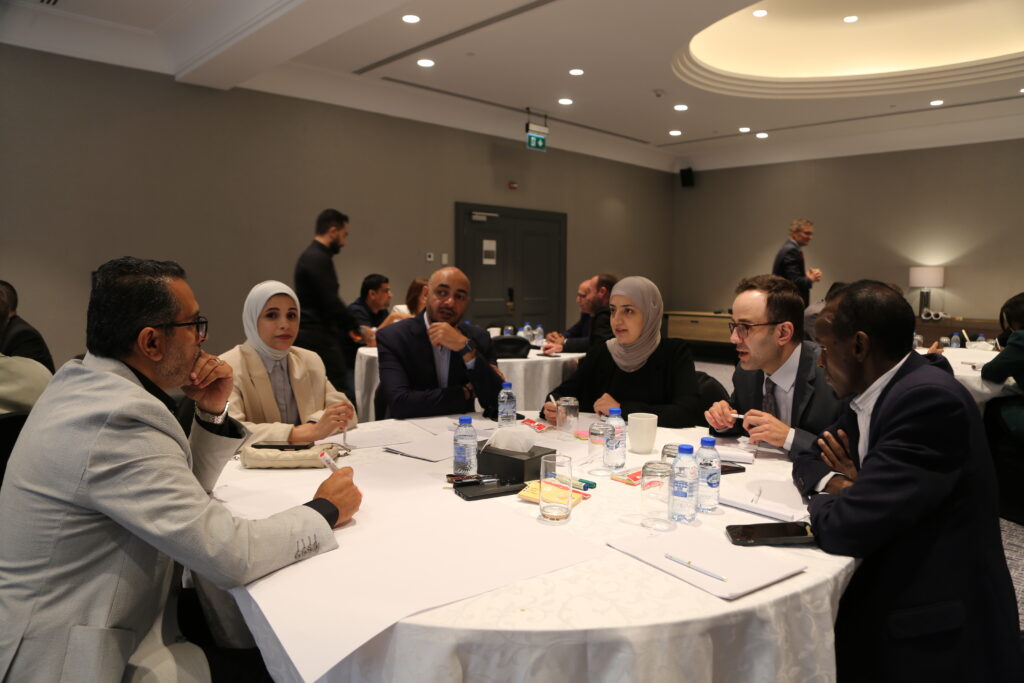
From the outset, Jordan’s foresight journey was characterised by strong stakeholder engagement. Ministries, researchers, farmers, and private sector actors all played active roles.
While managing different levels of experience and expectations proved challenging, the outcome was gratifying. The Government of Jordan, in particular, showed remarkable ownership and commitment. Their decision to involve senior officials and even extend the conversation to regional partners demonstrated a powerful belief in the value of foresight for shaping national and regional food agendas.
Foresight as a Mindset for Change
One of the most meaningful insights gained from this experience is that foresight is more than a set of tools—it’s a mindset. It encourages forward thinking, long-term planning, and proactive decision-making in the face of uncertainty.
The biggest challenge, however, lies in sustaining the momentum. Ensuring that foresight becomes a regular part of planning and policymaking in Jordan requires continued effort, institutional support, and capacity-building. But the foundations are now in place for this cultural shift to take root.
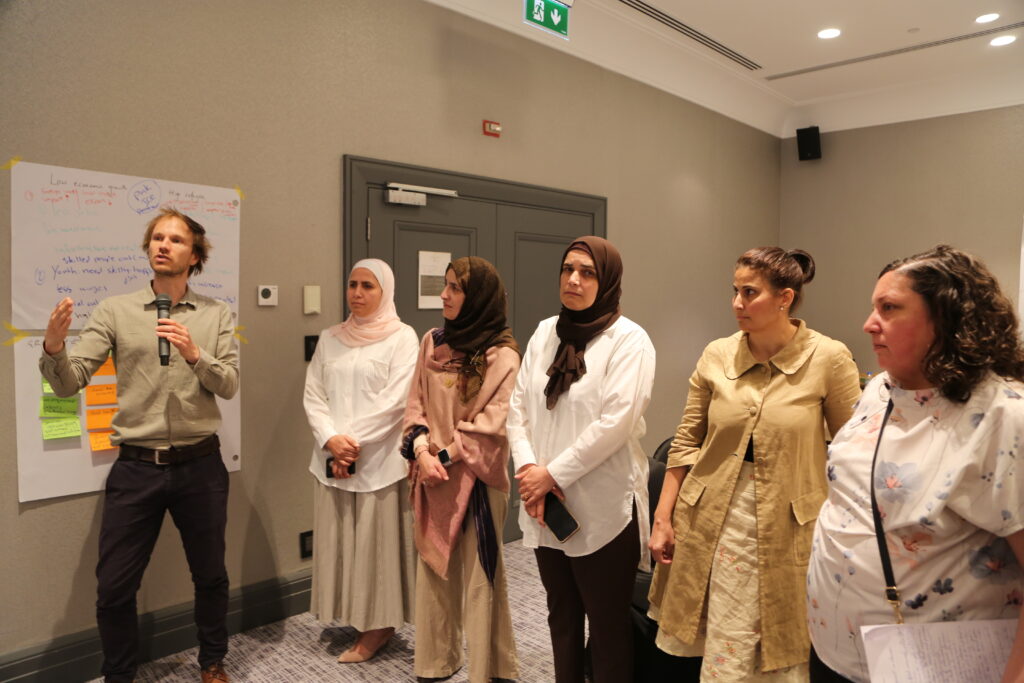
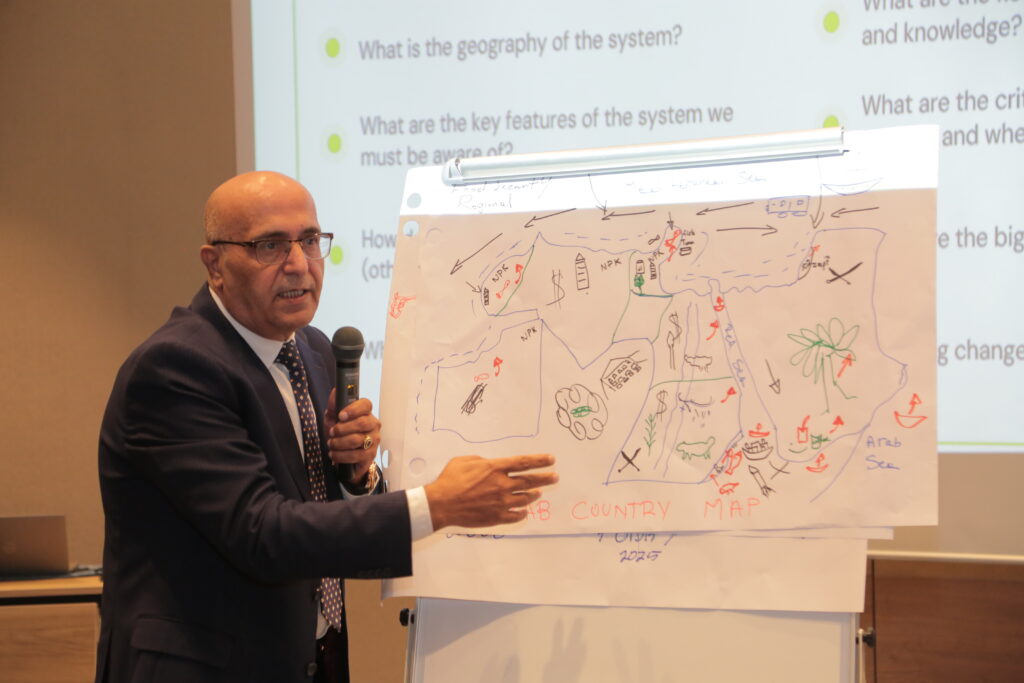
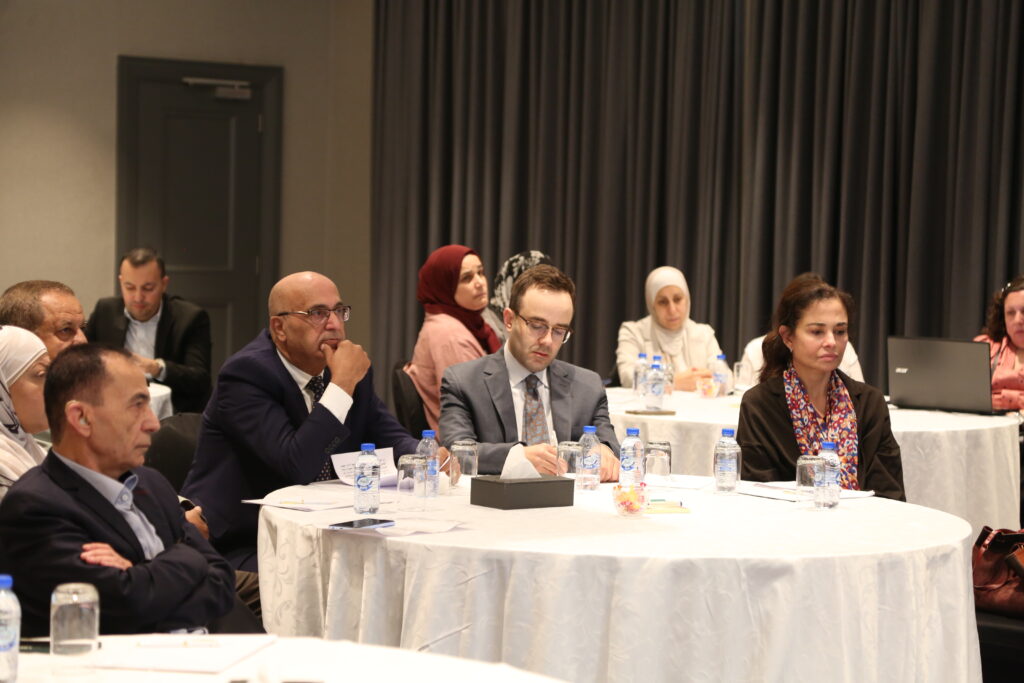
The Power of Multidisciplinary Collaboration
Working alongside researchers, facilitators, and policymakers was both inspiring and enlightening. The diversity of perspectives revealed the true complexity of transforming food systems. It also highlighted the importance of developing Jordan-specific foresight guidelines, building a national database of trends, and training local facilitators to maintain and expand this work.
Looking Ahead: A Future-Ready Food System
Foresight and futures thinking will continue to play a central role in shaping Jordan’s food systems in the years ahead. They provide the vision and structure needed to coordinate across sectors and build resilience in an uncertain world.
In practical terms, foresight can help Jordan by:
- Strengthening institutional and individual capacities
- Improving access to data and trend analysis
- Turning opportunities into action and reducing risks
- Supporting evidence-based policymaking
- Enhancing preparedness and resilience
- Promoting regional cooperation
Ultimately, foresight offers more than a strategy, it offers hope. It empowers Jordan to anticipate change, adapt wisely, and co-create a food system that is not only resilient but future-ready.