By Mohammad Monirul Hasan, Facilitator Foresight4Food FoSTr Bangladesh

As Bangladesh faces rapid population growth, climate uncertainty, shifting diets, and evolving markets, planning for the future of its food system has never been more urgent. Through the years of the Foresight4Food FoSTr programme, a diverse group of national actors came together to imagine what Bangladesh’s food and nutrition landscape could look like in the decades ahead. It revealed not only the power of collective insight but also the growing momentum for foresight-driven transformation across the country. Mohammad Monirul Hasan, Facilitator Foresight4Food FoSTr Bangladesh, shares his observations on FoSTr programme’s activities in Bangladesh.
Read Also: FoSTr Bangladesh Final Country Report

Take a look at the FoSTr Bangladesh Final Country Report to learn about the work and findings emerging from the experience in Bangladesh. The report outlines Bangladesh’s comprehensive journey through the Foresight for Food System Transformation (FoSTr) programme, which aims to support national efforts to build a more resilient, equitable, and sustainable food system.
Scenario Exploration: A Window into Possible Futures
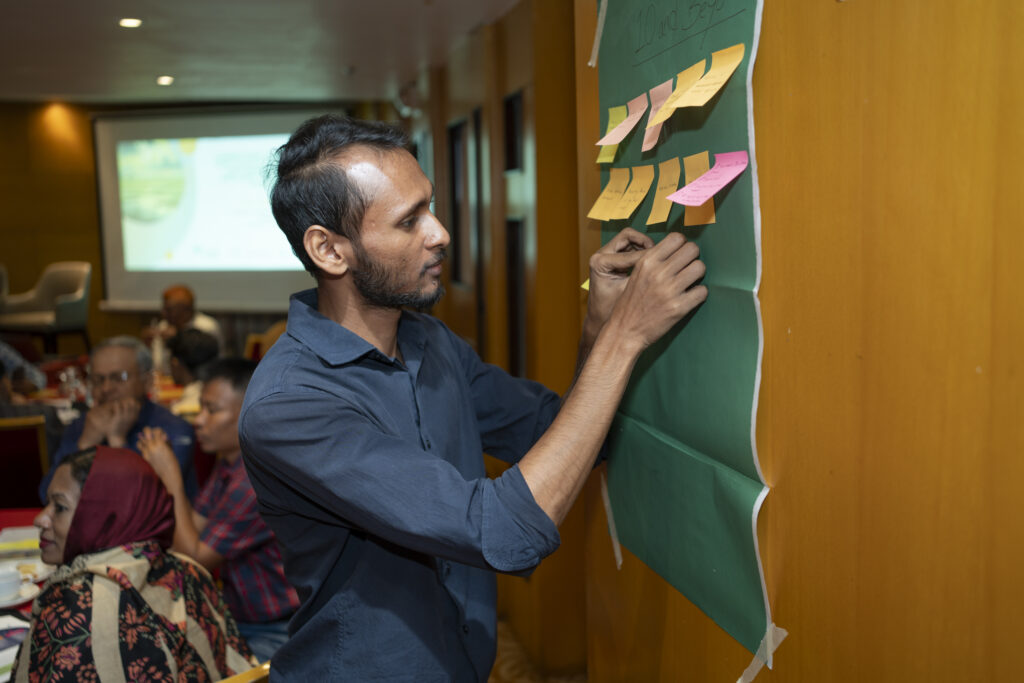
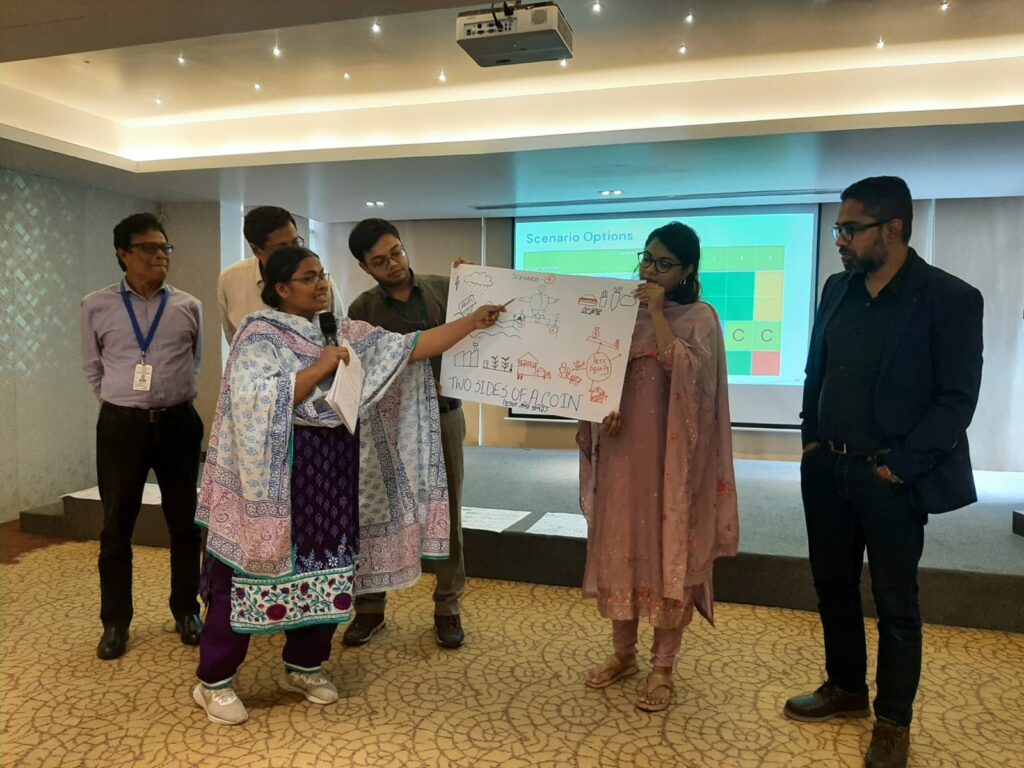
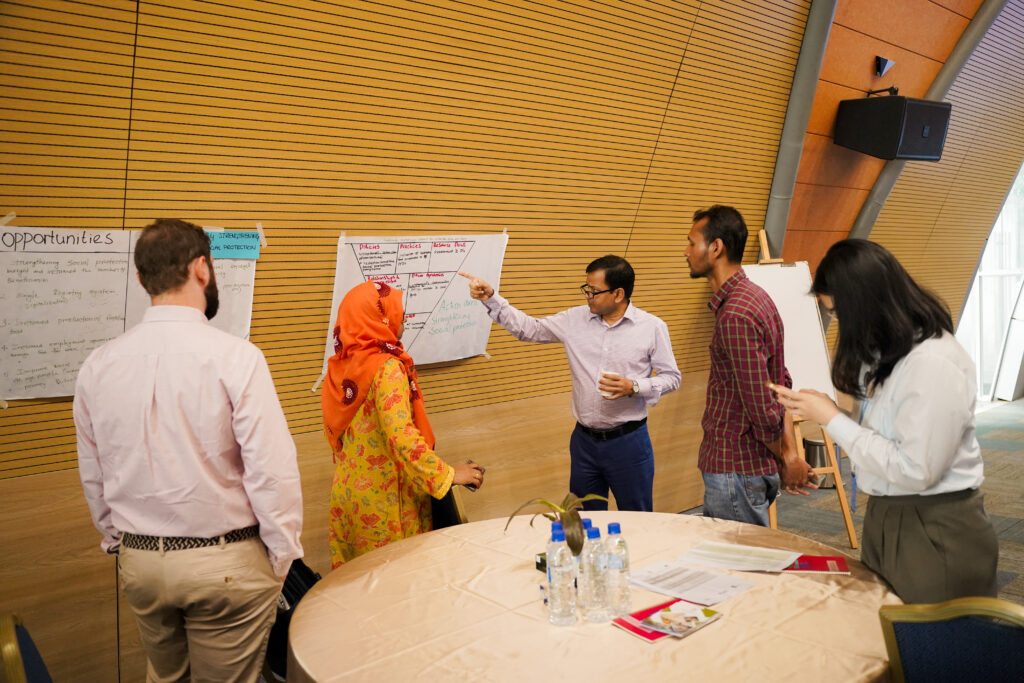
From what I’ve observed, among the many steps in the foresight process, scenario exploration stood out as the most transformative. It pushed stakeholders to think beyond immediate priorities and consider how climate change, demographic shifts, technology, and politics might shape Bangladesh’s food system. These scenarios helped spark conversations that rarely occur in routine policymaking, encouraging deeper reflection on long-term risks and opportunities, trade-offs, and the cost of inaction. Many participants from our workshops were left with a clearer understanding of how today’s decisions can shape tomorrow’s resilience.
Engaging Stakeholders: Successes and Gaps
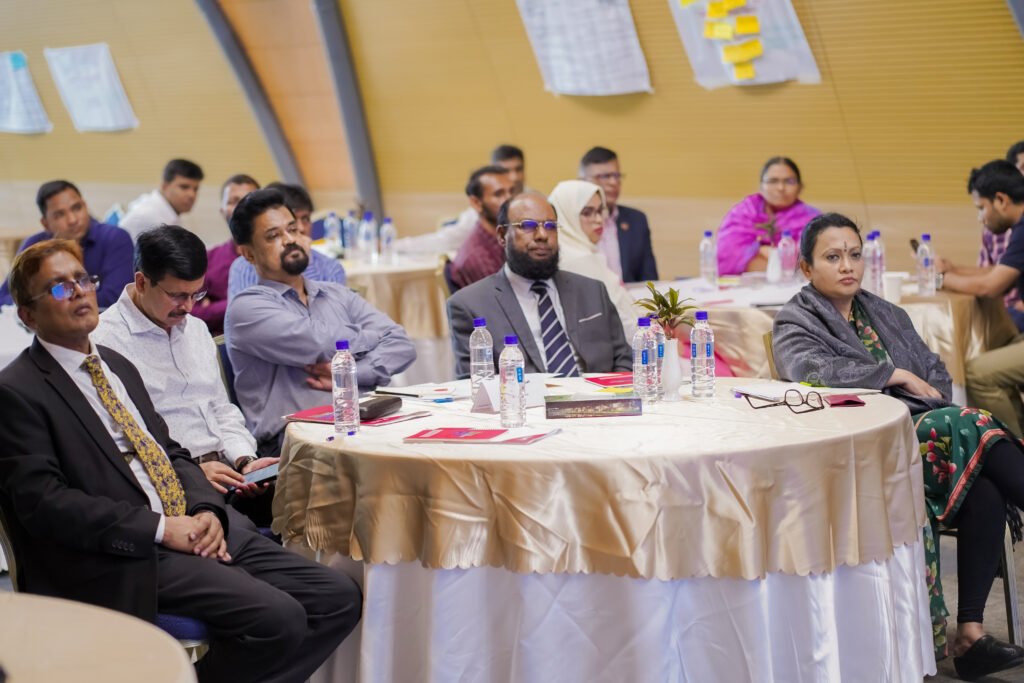
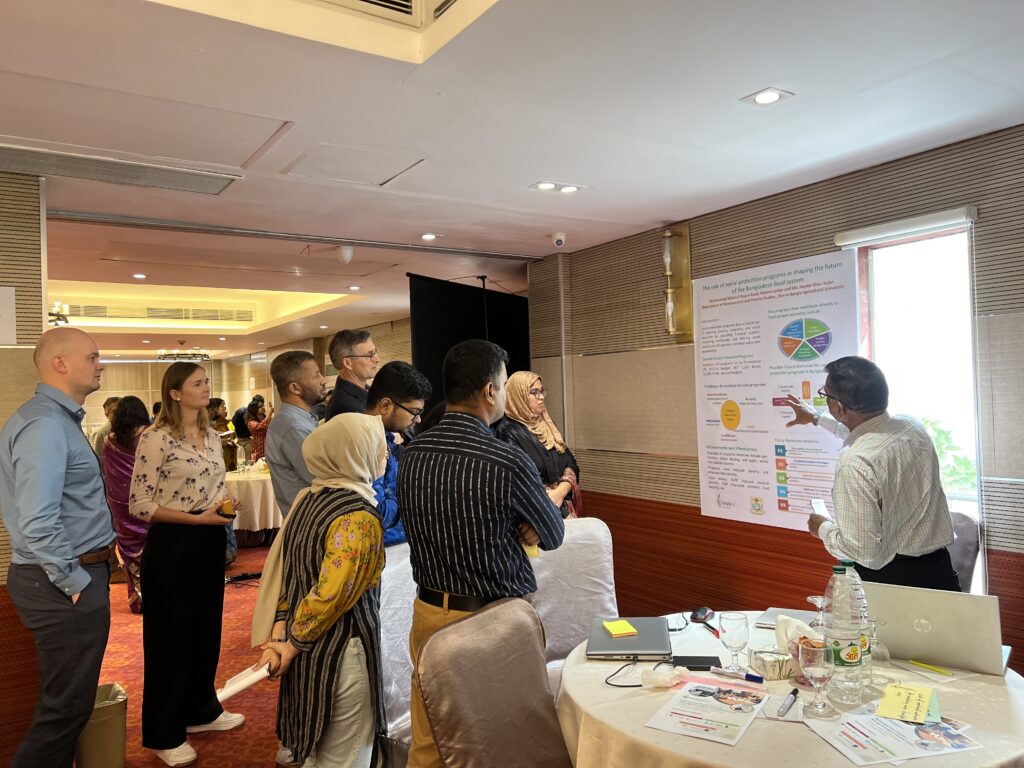
The process brought together a wide range of actors, from ministries and universities to business chambers, youth groups, and development partners. This diversity helped build trust and create a shared understanding of the interconnected challenges affecting food security.
However, this experience also highlighted gaps. One of the biggest challenges was the underrepresentation of grassroots voices, like farmers, traders, and local entrepreneurs. Similarly, high-level policymakers were not always present. In addition, some participants needed more time to familiarize themselves with foresight tools, limiting how deeply certain concepts could be explored. Despite these challenges, the workshops succeeded in fostering collective ownership of key insights.
Learning Through Collaboration
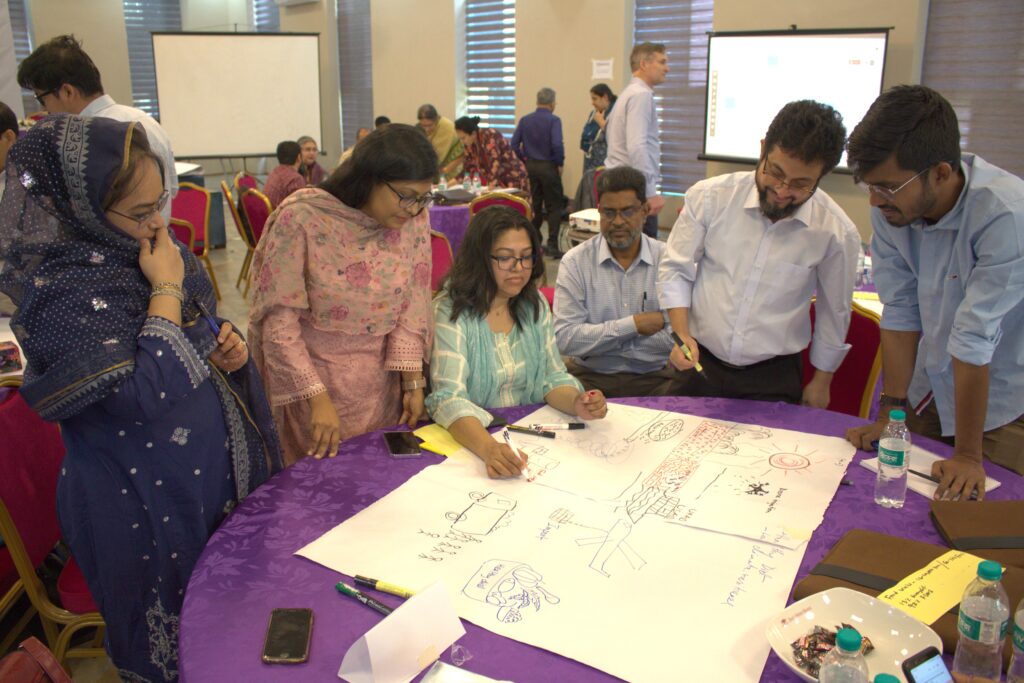
What I found truly enriching in the workshops was working in a multidisciplinary environment. Each group brought its own lens, be it economic, agricultural, nutritional, climatic, or governance-related, which revealed the complex interdependencies across the food system. This collaboration underscored how fragmented knowledge can be, and how foresight provides a powerful platform for aligning perspectives and bridging research, policy, and practice.
For many workshop participants, this experience reinforced that systems thinking is not just an analytical method but a way to unlock more coordinated and transformative action.
A Growing National Movement for Foresight
The momentum generated through the FoSTr programme is already influencing national institutions. The Ministry of Food has launched its own Foresight Lab, while the Ministry of Agriculture has integrated foresight into its Agricultural Outlook 2050 initiative. Foresight approaches are now reflected in policy documents such as the UNFSS National Pathway’s Plan of Action, and even the Cabinet Division is incorporating foresight into its social protection programmes. Universities and research bodies are also beginning to embed futures thinking into their work, expanding the country’s internal capacity for long-term planning.
Why Foresight Matters for Bangladesh’s Future
Looking ahead, foresight will play a critical role in guiding Bangladesh through an increasingly complex food security landscape. In my views, here are some of the things foresight can do for the country’s future:
- Strengthen anticipatory policymaking by helping ministries confront climate risks, price shocks, and dietary transitions before they unfold.
- Improve coordination across government, research, the private sector, and civil society, addressing long-standing fragmentation in food system governance.
- Build institutional capacity through cultivating practitioners skilled in systems thinking, scenario analysis, and strategic planning.
- Support inclusive and climate-resilient transformation to ensure that vulnerable groups remain central in future planning.
Finally, I would once again highlight the importance of foresight, which would offer Bangladesh a practical way to navigate uncertainty and co-create a food system that is resilient, equitable, and responsive to the challenges and opportunities ahead. The FoSTr journey has already shown what is possible when diverse voices come together with a shared commitment: a clearer vision of the future, and a stronger foundation for shaping it.