The Foresight4Food FoSTr Programme in Uganda has been a transformative journey that brought together diverse voices to imagine, question, and shape the future of the country’s food systems.
Charles Muyanja, Country Facilitator FoSTr Uganda, shares his reflections on what made the process meaningful, what was learned, and how foresight thinking is shaping Uganda’s path forward.

Read Also: FoSTr Uganda Final Country Report
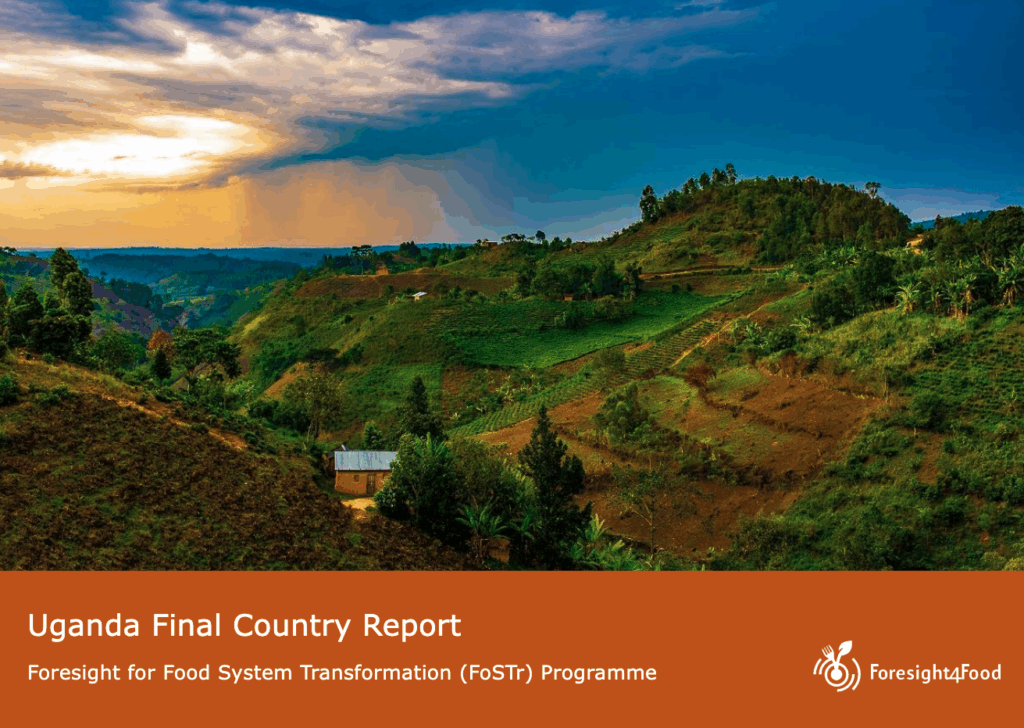
Take a look at the FoSTr Uganda Final Country Report to learn about the work and findings emerging from the experience in Uganda. The report presents the findings and process of the Foresight4Food FoSTr programme in Uganda, which applied participatory foresight and futures thinking to help Ugandan policymakers and stakeholders anticipate and shape the long-term transformation of the country’s food system.
Exploring Scenarios: The Most Insightful Phase
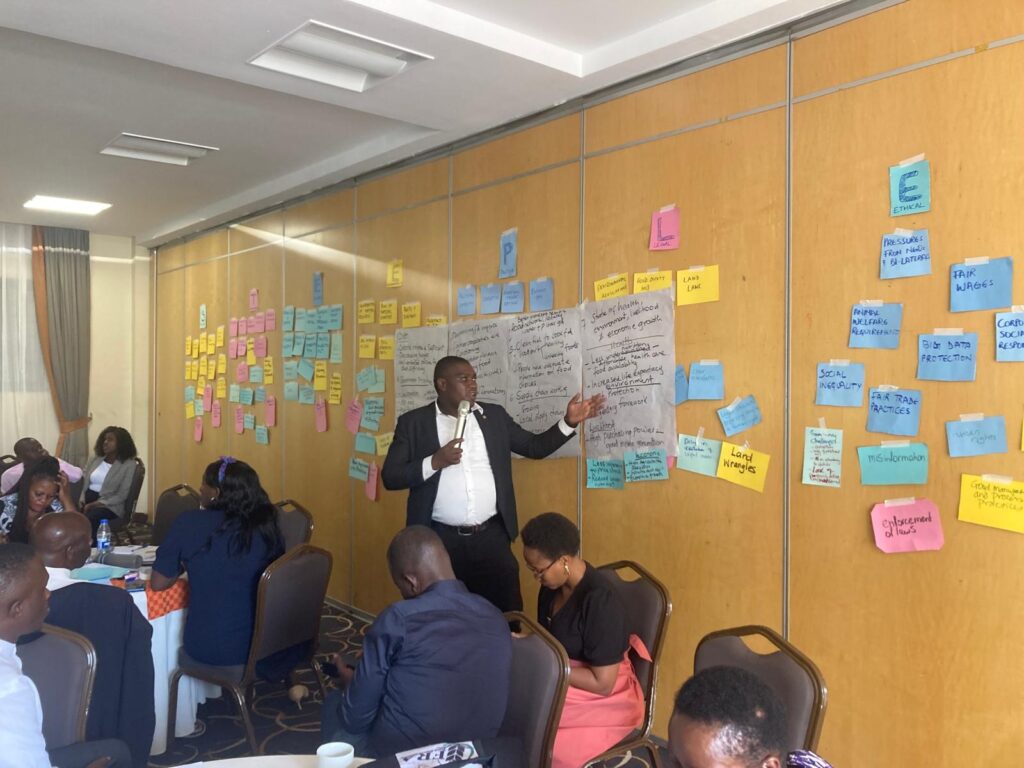
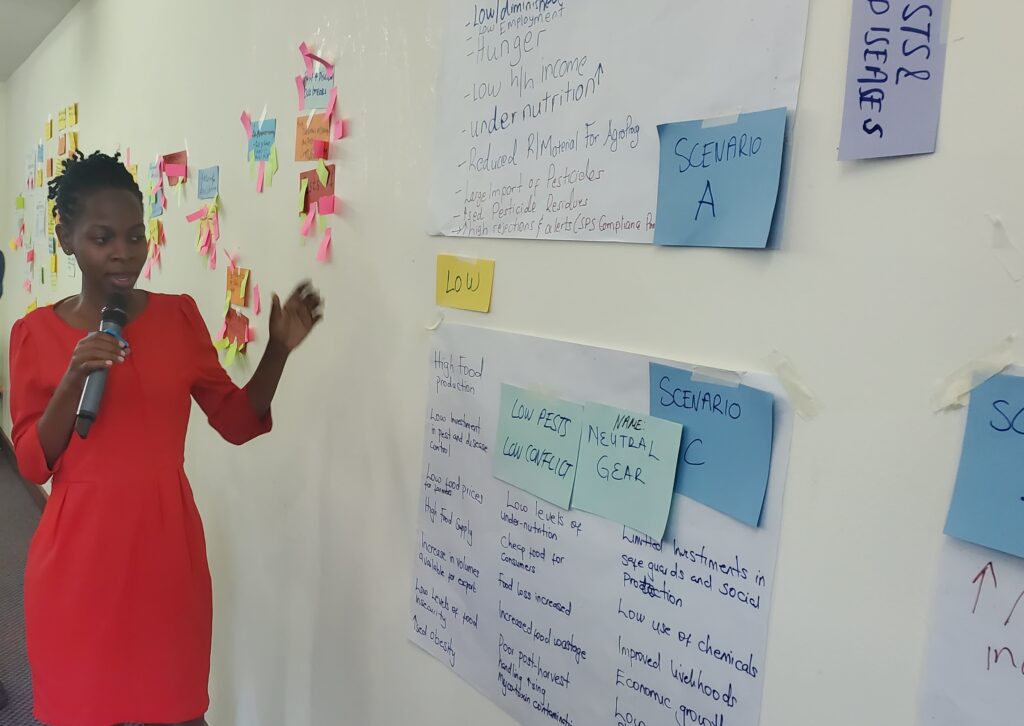
Among the different phases of the foresight process that we worked through, scoping, mapping, exploring scenarios, and mobilising for change, I found that exploring scenarios offered the richest insights for Uganda’s food system.
This stage invited stakeholders to think deeply and critically about possible futures, considering drivers such as climate change, food loss, and waste. By examining various scenarios, they identified key opportunities, risks, and resilience strategies suited to Uganda’s context.
Exploring scenarios was complex, but it helped stakeholders understand the interconnections within the food system, how one element influences many others.
Stakeholder Engagement: Learning, Trust, and Shared Ownership
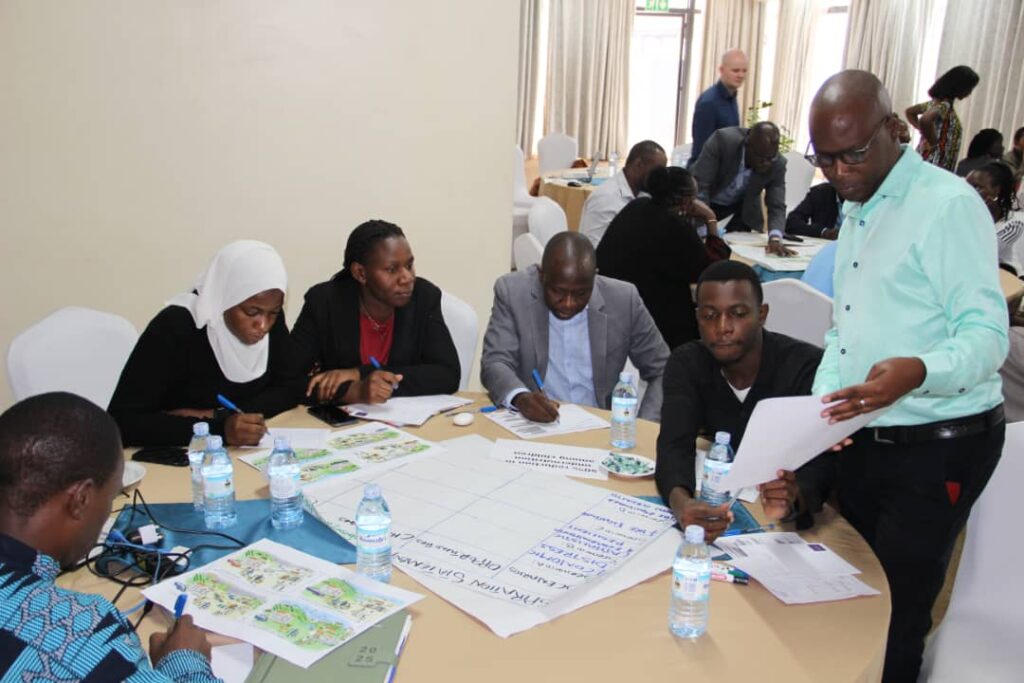
From my observation, stakeholder engagement was a highlight of the process. Ministries, researchers, farmers, and private sector actors were carefully selected for their relevance and passion for transforming Uganda’s food systems.
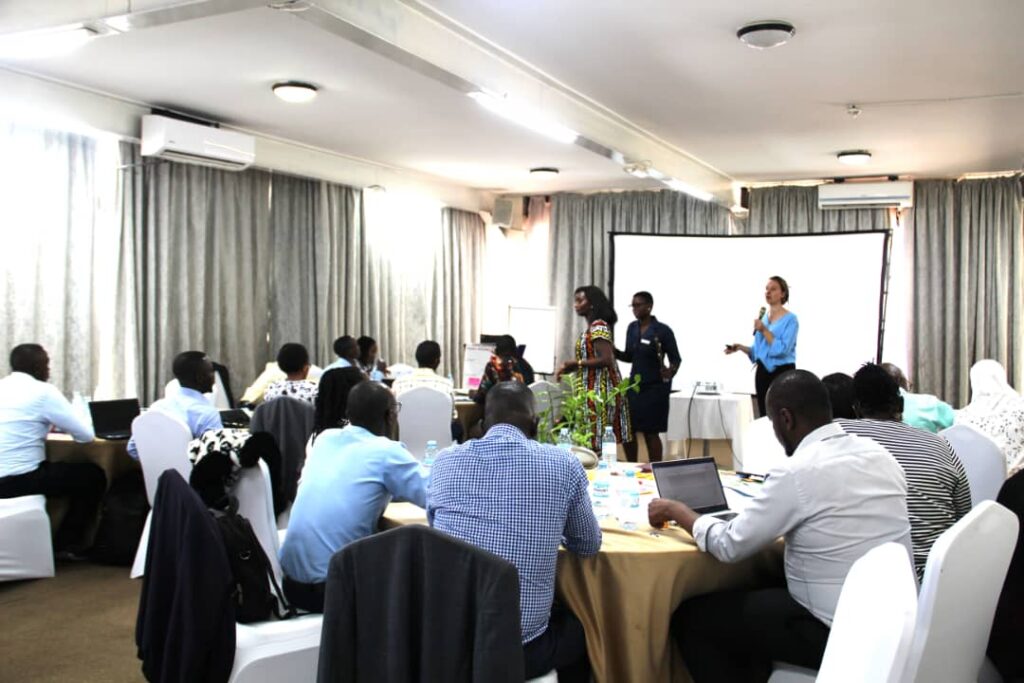
Their involvement was structured and participatory, promoting shared learning and ownership. Moreover, capacity-building workshops, conducted under the Foresight4Food FoSTR programme, played a key role in equipping participants with practical knowledge on food system transformation, which many could immediately apply in their workplaces.
The greatest success was the knowledge imparted, helping stakeholders see transformation as a collaborative process.
However, in this process, challenges also surfaced. Some participants initially viewed monetary incentives as more valuable than knowledge. There were others who struggled to stay consistent across all workshop sessions. In my experience, encouraging commitment and continuity required a lot of patience and persistent engagement.
Personal Learning and Growth
For me, the project was a meaningful learning experience in teamwork and collaboration. Working with a multidisciplinary team of researchers and facilitators strengthened my appreciation for collective effort and coordination.
In my position as the Country Facilitator, I also gained deeper insight into the power of foresight as a decision-making tool, one that enables leaders to anticipate challenges and act proactively rather than reactively.
Yet, it wasn’t without its hurdles. The hardest part was helping stakeholders understand the value of foresight in their work. Without that appreciation, sustained engagement was difficult. Managing expectations, especially regarding finances, also demanded careful communication and diplomacy.
Power of Multidisciplinary Collaboration
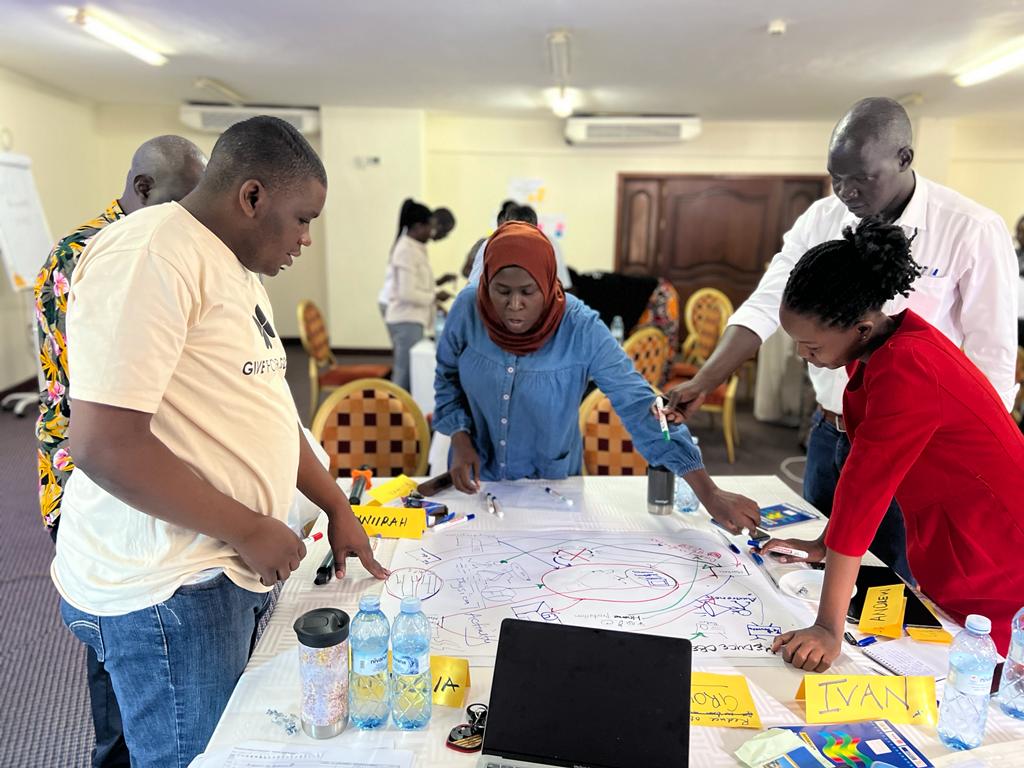
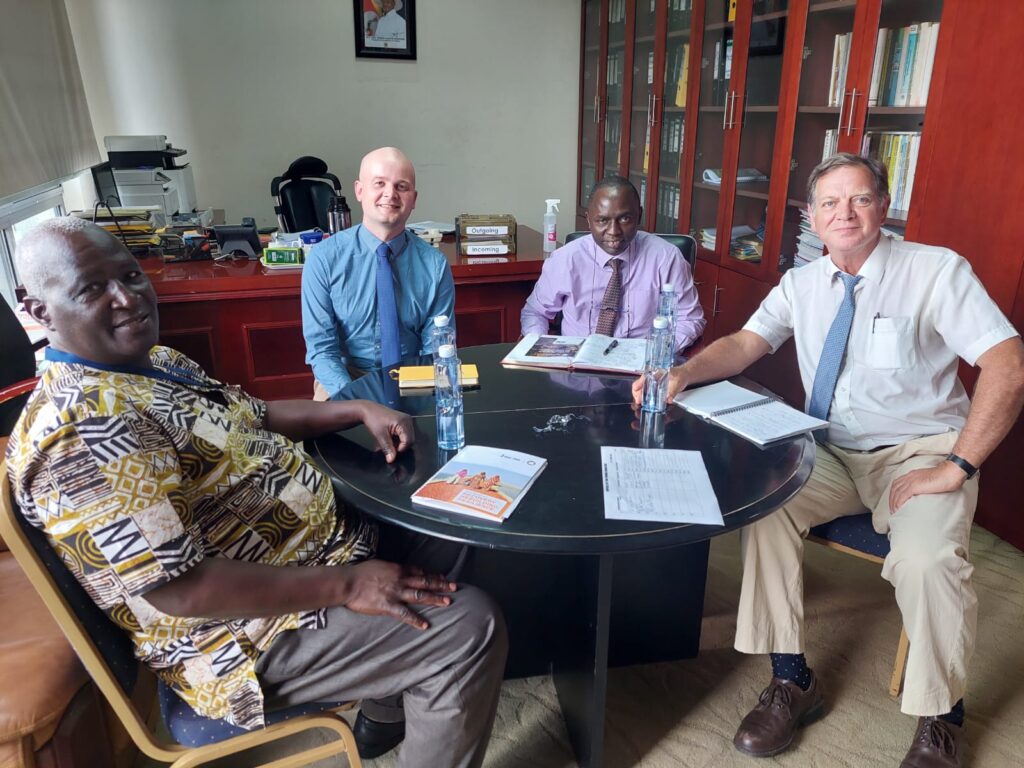
Working alongside researchers, policymakers, and facilitators gave me a new appreciation for the complexity of food systems and the importance of systems thinking.
I saw firsthand how different disciplines could come together to create holistic solutions, bridging science, policy, and community perspectives. Facilitators also played a crucial role in translating technical ideas into accessible insights, ensuring all participants could meaningfully contribute.
This inclusive approach empowered stakeholders as resource persons and promoted learning through shared experience. Food system transformation requires engagement with stakeholders from different sectors incorporating their local perspectives and indigenous knowledge into foresight approaches and methods, which is vital for strengthening the food system analysis and fostering implementation of the of proposed strategies.
Looking Ahead: Foresight as a Pathway for Transformation
Foresight and futures thinking will continue to be a cornerstone for Uganda’s food system transformation in the years ahead. By supporting proactive, strategic, and adaptive approaches, foresight helps identify potential risks, such as climate change, resource scarcity, or market disruptions, while also uncovering emerging opportunities like technological innovation and new policy frameworks.
Futures thinking will provide the Government of Uganda with a well well-structured way to evaluate different scenarios, helping policymakers prioritize investments and formulating policies that promote resilience and sustainability within Uganda’s food systems.
Last but not the least, I’d like to emphasize the importance of building a Community of Practice (CoP) that brings together diverse stakeholders including local communities and policymakers, to continually reflect, research, and act on the future of food in Uganda.
Foresight helps us move from reaction to preparation. It gives us the tools to imagine better futures, and the courage to make them happen.