By Bram Peters
Food systems are at a major transition point as accelerating forces like climate change, shifting shared realities, and growing uncertainties in global trade, AI, health, and the environment shape urgent questions, especially in Kenya, where concerns about the cost of living, democracy, and youth voices are rising.
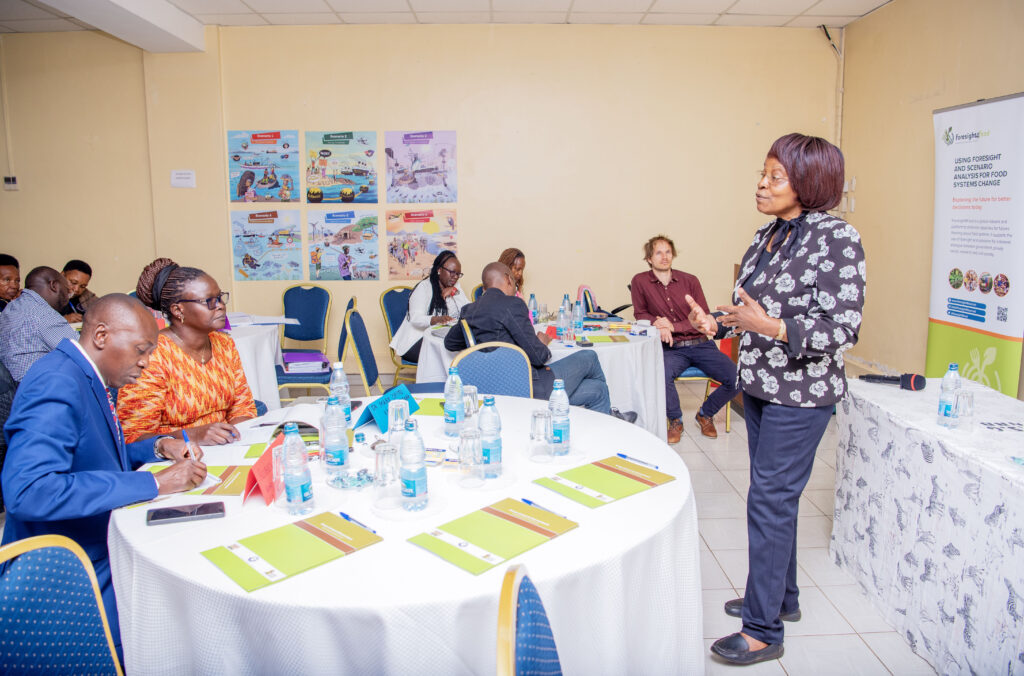
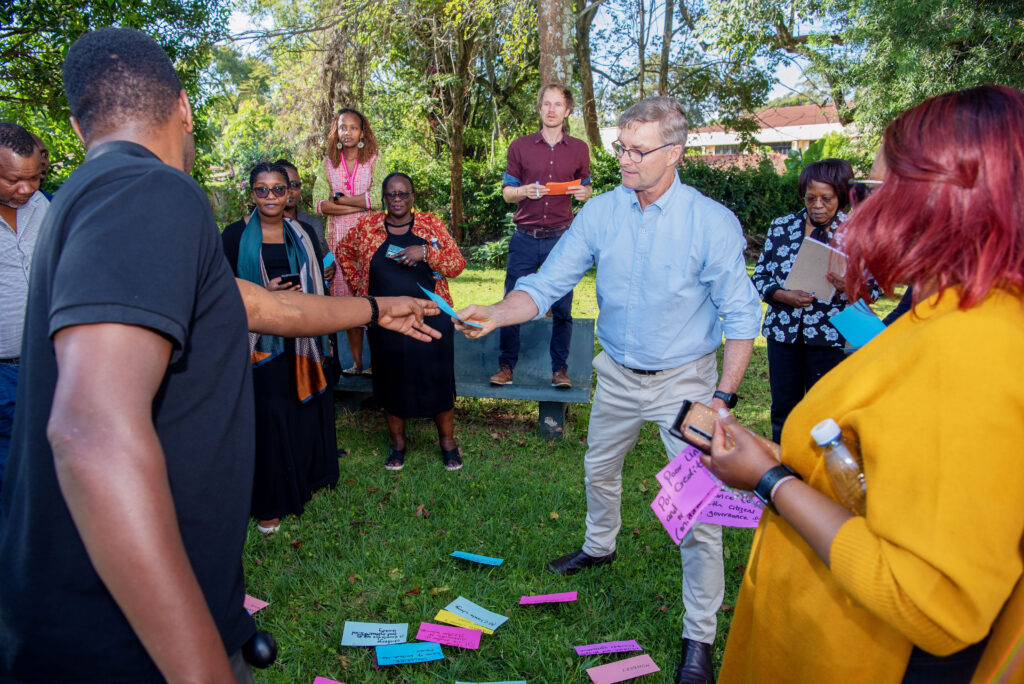
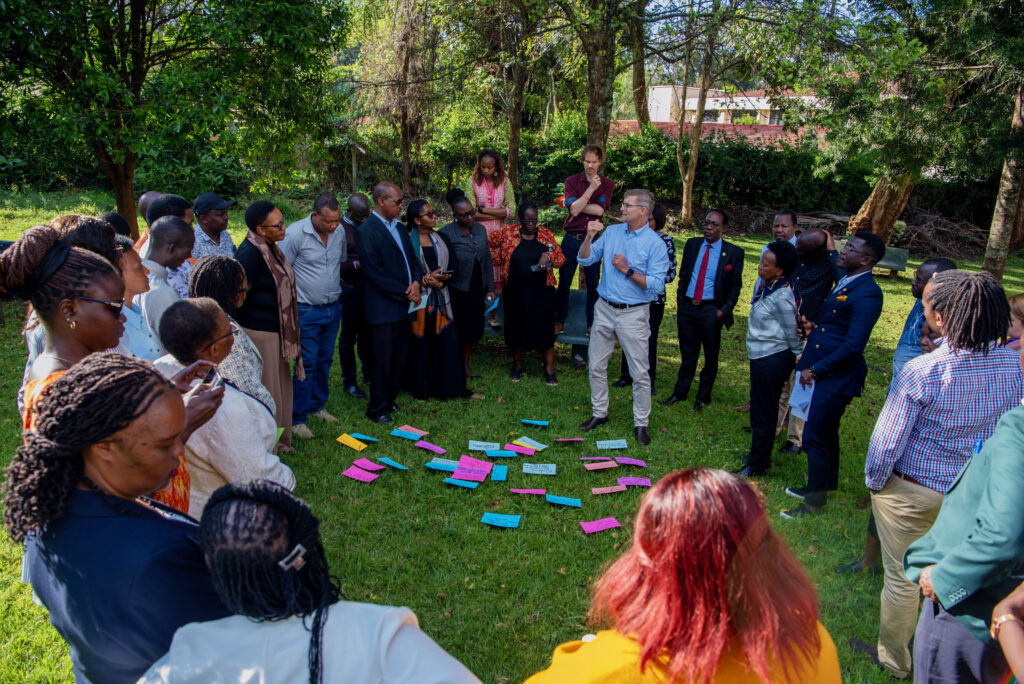
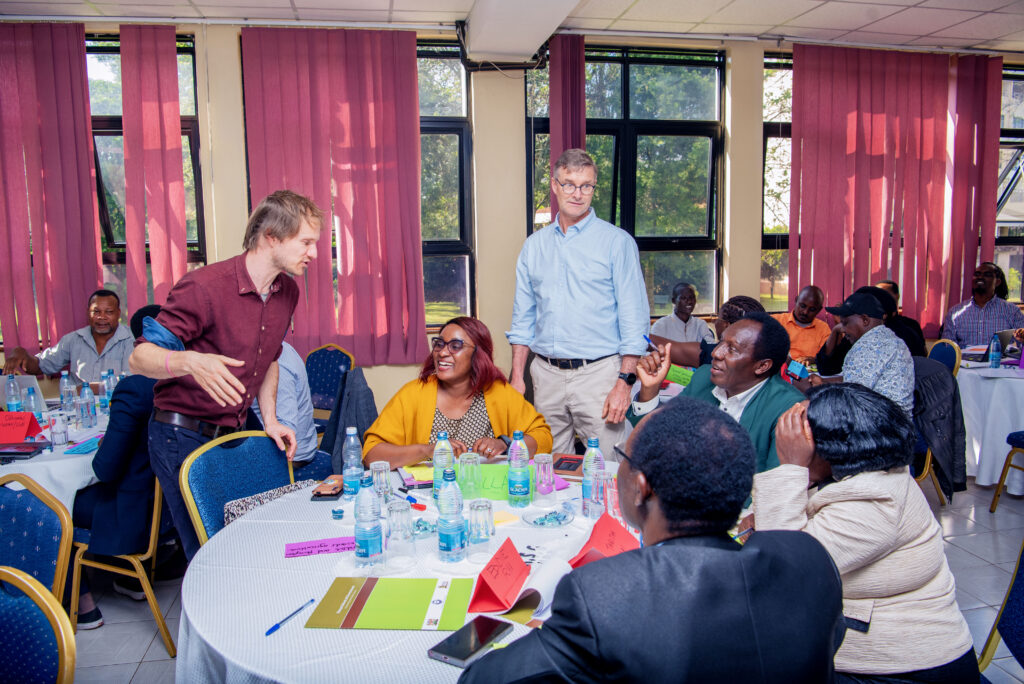
These uncertainties were the focus of a two-day foresight and systems-thinking workshop at the Kenya School of Government in Nairobi, where 40 national and county-level stakeholders came together to explore the question: how can foresight be activated to catalyse Kenya’s food system transformation process?
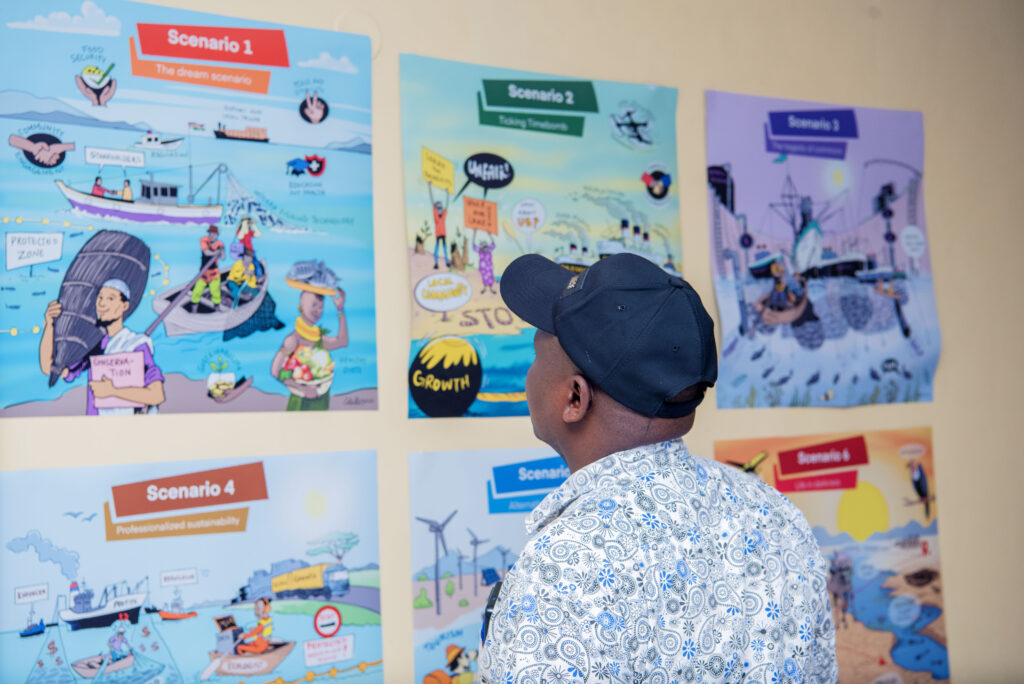
The workshop focused on sharing experiences with using foresight for food systems change in Nakuru and Marsabit Counties and was facilitated by Foresight4Food, together with partners Results for Africa Institute, ILRI, University of Nairobi and Society for International Development. It sought to unpack the challenges and opportunities facing Kenya’s food system transformation process and identify key areas where foresight can reinforce connections across scales and build on key models that can help national transformation pathways.
Keynote Insights: From Crisis to Permacrisis
In her opening keynote, Dr. Katindi Sivi emphasized the need for anticipatory policy as Kenya is moving from crisis to polycrisis to permacrisis. Multiple shocks collide, including debt stress, climate change, food insecurity, youth unemployment, and technological disruption. She highlighted key challenges that affect food system governance:
- Fragmented ministries (e.g., agriculture, water, roads, lands, environment) work on different timelines, weakening coordination.
- Government structures are too linear, slow, and siloed to handle interconnected risks.
- Policies often address yesterday’s problems instead of emerging ones.
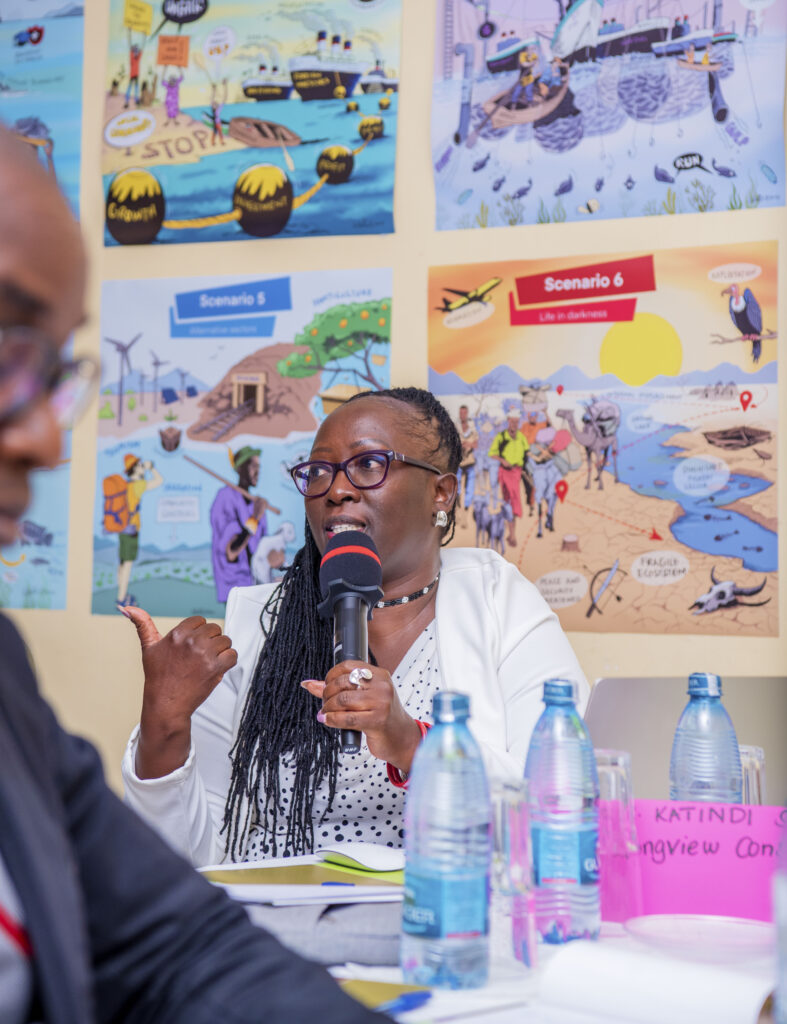
Foresight provides a framework to: identify weak signals early, prepare for a range of plausible futures, build resilience into public institutions, improve policy coherence across sectors and ensure stewardship for future generations.
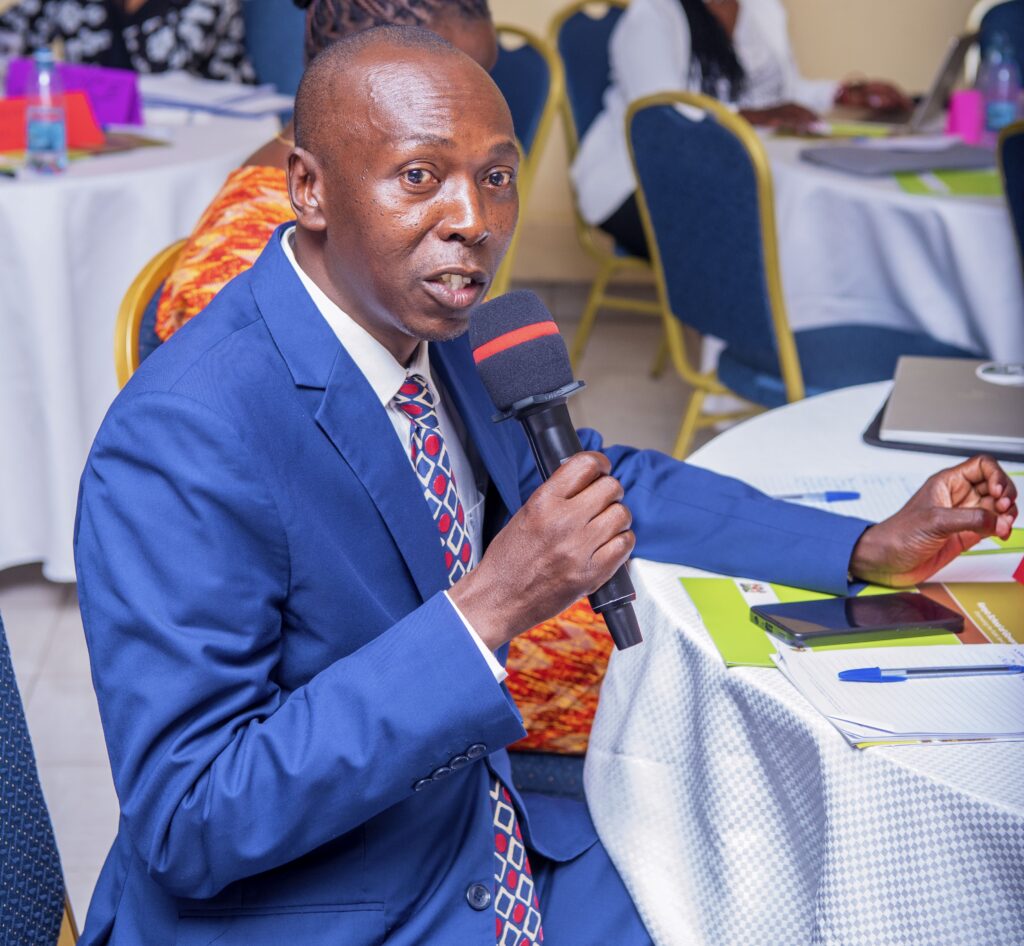
This is an urgent challenge, and it must be a priority, especially for public civil servants tasked with guiding governance. This message was echoed by Professor Nura Mohamed, Director General of the Kenya School of Government, who emphasized the critical need to invest in strategic foresight for driving public service reform in Kenya. He also pointed out the need to move from a tendency to ‘celebrate the intention’ to actually implementing the policy frameworks that exist.
The Role of Foresight in Governance
A closer look at process challenges shows that all stakeholders have a role to play, with counties offering important lessons. Key issues needing urgent attention include:
- Policy frameworks are strong but poorly coordinated: Counties like Nakuru and Marsabit use solid planning tools, but overlapping mandates and fragmentation slow progress.
- Blended finance works but must be locally grounded: Nakuru’s County Revolving Fund shows potential, offering affordable loans in partnership with local banks.
- Stakeholder ecosystems are rich but underused: Many actors—from county departments to universities, NGOs, and development partners—need clearer role mapping to reduce duplication and boost collaboration.
- Public participation is essential: Marsabit’s grassroots processes—ward-level engagement and community-led budgeting—strengthen legitimacy and local ownership.
- The research-to-action gap persists: Research often remains unused; living labs, innovation hubs, and university incubation centres are key to translating evidence into practice.


The Kabazi Foresight Innovation Model
A core discussion revolved around the opportunity to learn from the Kabazi Foresight Innovation Model, which has now been piloted in Nakuru and Marsabit throughout the FoSTr programme. Kabazi Ward Innovation Model shows how local food systems stakeholders and communities can work at Kenya county level to offer a locally rooted decision-support ecosystem. This model integrates systems thinking and foresight approaches with a multi-stakeholder partnership approach energised by community leadership. Named after the Kabazi ward in Nakuru, the central idea is to empower and leverage pre-existing Beyond 2030 Networks. These comprise ward departments, chiefs’ forums, school heads, women’s groups, local businesses, and community actors as the foundation for co-creation and systemic change towards a better food system future. This model can be replicated in any county in Kenya.

Workshop Recommendations for Food System Transformation
At the end of the workshop, participants agreed the following:
- Continue to strengthen and build a networked community of practice, integrating foresight, food systems change and facilitation to support Kenya’s food system transformation process
- Strengthen capacity building and communication materials on systems thinking and foresight, especially with the Kenya School of Government and key learning institutes
- Consolidate and scale the county-level ‘Kabazi Foresight Innovation Model’ to share experiences with other counties and support decentralised governance
- Invest in local learning ecosystems such as Community Research and Living labs to support locally embedded and applied sustainable innovation and farmer-centric learning
- Support legislators to adopt a futures perspective when it comes to laws and regulations, such as through the Senate Futures Caucus
- Work towards societal mindset shifts, behaviour change and accountability mentality. The participants noted that value cultivation is crucial for long-term change: values such as responsibility and awareness of food systems must be cultivated, while addressing entrenched social norms that stop us from reframing power and relations within the current food system

Voices of Change: The Power of Spoken Word
The session was enlivened by the spoken word performances of Dorphanage, who artfully captured the deep urgency for change but also reminded participants of the deeply political nature of food systems transformation.
Governments speak of empowerment
While selling futures to foreign hands
Signing away tomorrow for the comfort of today
Pretending not to see the blight they sow
Africa does not lack muscle or mind
Only the will to honor its own abundance
Our fields are fertile with potential
But the plow is steered by self-preserving hands